Connect With Us
Blog
Items filtered by date: December 2025
Tuesday, 30 December 2025 00:00
Stretches to Help Ease Plantar Fasciitis Pain
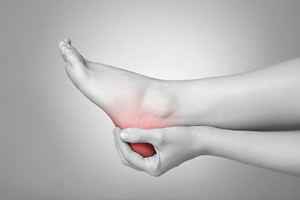 Plantar fasciitis is a foot condition that is known for causing intense heel pain. Those affected by this condition often relay feeling discomfort when first getting out of bed in the morning. There are a few stretches you can perform to help ease the pain linked to plantar fasciitis. One of these types of stretches is known as towel scrunches. You can start by sitting and scrunching a towel with both feet. Then, stand and scrunch the towel with your feet. Another exercise you can try involves standing and trying to place a cotton ball into a cup using your toes. For more advice on what stretches and exercises you can practice to help with plantar fasciitis pain, please consult with a podiatrist.
Plantar fasciitis is a common foot condition that is often caused by a strain injury. If you are experiencing heel pain or symptoms of plantar fasciitis, contact one of our podiatrists from Save Your Soles. our doctors can provide the care you need to keep you pain-free and on your feet.
What Is Plantar Fasciitis?
Plantar fasciitis is one of the most common causes of heel pain. The plantar fascia is a ligament that connects your heel to the front of your foot. When this ligament becomes inflamed, plantar fasciitis is the result. If you have plantar fasciitis you will have a stabbing pain that usually occurs with your first steps in the morning. As the day progresses and you walk around more, this pain will start to disappear, but it will return after long periods of standing or sitting.
What Causes Plantar Fasciitis?
- Excessive running
- Having high arches in your feet
- Other foot issues such as flat feet
- Pregnancy (due to the sudden weight gain)
- Being on your feet very often
There are some risk factors that may make you more likely to develop plantar fasciitis compared to others. The condition most commonly affects adults between the ages of 40 and 60. It also tends to affect people who are obese because the extra pounds result in extra stress being placed on the plantar fascia.
Prevention
- Take good care of your feet – Wear shoes that have good arch support and heel cushioning.
- Maintain a healthy weight
- If you are a runner, alternate running with other sports that won’t cause heel pain
There are a variety of treatment options available for plantar fasciitis along with the pain that accompanies it. Additionally, physical therapy is a very important component in the treatment process. It is important that you meet with your podiatrist to determine which treatment option is best for you.
If you have any questions, please feel free to contact our offices located in Abington and Willow Grove, PA . We offer the newest diagnostic and treatment technologies for all your foot care needs.
Tuesday, 23 December 2025 00:00
What to Know About Athlete’s Foot
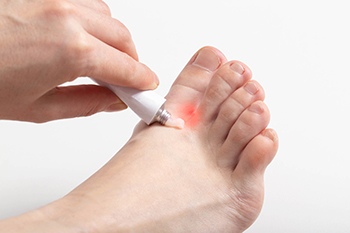
Athlete’s foot is a common fungal infection that affects the skin on the feet, especially between the toes. It thrives in warm, moist environments such as locker rooms, communal showers, and sweaty shoes. Many people first notice itching, burning, or peeling skin that becomes more irritated after activity. As the condition progresses, the skin may crack, blister, or appear scaly and red, making walking or wearing shoes uncomfortable. The fungus spreads easily through shared surfaces, wearing damp socks, or contaminated footwear. Keeping the feet clean and dry, changing socks regularly, and choosing breathable shoes can help reduce risk. Stubborn infections often require professional care to fully clear and prevent recurrence. If the itching persists, the skin becomes painful, or the infection keeps returning, it is suggested that you see a podiatrist for an evaluation and effective treatment.
Athlete’s Foot
Athlete’s foot is often an uncomfortable condition to experience. Thankfully, podiatrists specialize in treating athlete’s foot and offer the best treatment options. If you have any questions about athlete’s foot, consult with one of our podiatrists from Save Your Soles. our doctors will assess your condition and provide you with quality treatment.
What Is Athlete’s Foot?
Tinea pedis, more commonly known as athlete’s foot, is a non-serious and common fungal infection of the foot. Athlete’s foot is contagious and can be contracted by touching someone who has it or infected surfaces. The most common places contaminated by it are public showers, locker rooms, and swimming pools. Once contracted, it grows on feet that are left inside moist, dark, and warm shoes and socks.
Prevention
The most effective ways to prevent athlete’s foot include:
- Thoroughly washing and drying feet
- Avoid going barefoot in locker rooms and public showers
- Using shower shoes in public showers
- Wearing socks that allow the feet to breathe
- Changing socks and shoes frequently if you sweat a lot
Symptoms
Athlete’s foot initially occurs as a rash between the toes. However, if left undiagnosed, it can spread to the sides and bottom of the feet, toenails, and if touched by hand, the hands themselves. Symptoms include:
- Redness
- Burning
- Itching
- Scaly and peeling skin
Diagnosis and Treatment
Diagnosis is quick and easy. Skin samples will be taken and either viewed under a microscope or sent to a lab for testing. Sometimes, a podiatrist can diagnose it based on simply looking at it. Once confirmed, treatment options include oral and topical antifungal medications.
If you have any questions, please feel free to contact our offices located in Abington and Willow Grove, PA . We offer the newest diagnostic and treatment technologies for all your foot care needs.
Tuesday, 16 December 2025 00:00
Causes of Foot Stress Fractures

Foot stress fractures are small cracks in the bones of the foot caused by repeated pressure or overuse. Unlike acute fractures, they develop gradually and often begin with mild discomfort that worsens over time. Symptoms include localized pain, swelling, and tenderness that increase with activity. These fractures are common in repetitive running activity, and are often called march fractures because they frequently occur among newly recruited soldiers during intense training. A podiatrist can diagnose stress fractures through an examination and imaging tests, provide proper rest and support, and recommend footwear or custom orthotics to reduce pressure on the foot. If you have persistent foot pain, it is suggested that you consult a podiatrist who can accurately diagnose and treat what the problem.
Activities where too much pressure is put on the feet can cause stress fractures. To learn more, contact one of our podiatrists from Save Your Soles. our doctors can provide the care you need to keep your pain free and on your feet.
Dealing with Stress Fractures of the Foot and Ankle
Stress fractures occur in the foot and ankle when muscles in these areas weaken from too much or too little use. The feet and ankles then lose support when walking or running from the impact of the ground. Since there is no protection, the bones receive the full impact of each step. Stress on the feet can cause cracks to form in the bones, thus creating stress fractures.
What Are Stress Fractures?
Stress fractures occur frequently in individuals whose daily activities cause great impact on the feet and ankles. Stress factors are most common among:
- Runners
- People affected with Osteoporosis
- Tennis or basketball players
- Gymnasts
- High impact workouts
Symptoms
Pain from the fractures occur in the area of the fractures and can be constant or intermittent. It will often cause sharp or dull pain with swelling and tenderness. Engaging in any kind of activity which involves high impact will aggravate pain.
If you have any questions please contact our offices located in Abington and Willow Grove, PA . We offer the newest diagnostic and treatment technologies for all your foot and ankle needs.
Friday, 12 December 2025 00:00
Plantar Warts Can Be Treated!

Plantar warts are small growths that develop on parts of the feet that bear weight. They're typically found on the bottom of the foot. Don't live with plantar warts, and call us today!
Tuesday, 09 December 2025 00:00
The Impact of High Heels on Foot Arches and Overall Alignment
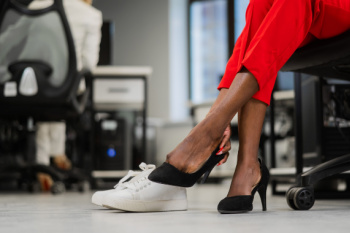
Wearing high heels regularly increases the height of the foot arch, shifting body weight forward and placing extra pressure on the toes and forefoot. Over time, this altered posture can cause changes in the musculoskeletal system, including calf muscle tightening, shortened Achilles tendons, and strain on the knees, hips, and lower back. These effects may lead to discomfort, instability, or long-term foot deformities. A podiatrist can assess alignment, recommend stretching and strengthening exercises, and suggest footwear modifications or custom orthotics to reduce strain while maintaining style and comfort. If you have developed foot pain from frequently wearing high heels, it is suggested that you consult a podiatrist for an expert evaluation and personalized strategies to protect your foot health.
High heels have a history of causing foot and ankle problems. If you have any concerns about your feet or ankles, contact one of our podiatrists from Save Your Soles. our doctors can provide the care you need to keep you pain-free and on your feet.
Effects of High Heels on the Feet
High heels are popular shoes among women because of their many styles and societal appeal. Despite this, high heels can still cause many health problems if worn too frequently.
Which Parts of My Body Will Be Affected by High Heels?
- Ankle Joints
- Achilles Tendon – May shorten and stiffen with prolonged wear
- Balls of the Feet
- Knees – Heels cause the knees to bend constantly, creating stress on them
- Back – They decrease the spine’s ability to absorb shock, which may lead to back pain. The vertebrae of the lower back may compress.
What Kinds of Foot Problems Can Develop from Wearing High Heels?
- Corns
- Calluses
- Hammertoe
- Bunions
- Morton’s Neuroma
- Plantar Fasciitis
How Can I Still Wear High Heels and Maintain Foot Health?
If you want to wear high heeled shoes, make sure that you are not wearing them every day, as this will help prevent long term physical problems. Try wearing thicker heels as opposed to stilettos to distribute weight more evenly across the feet. Always make sure you are wearing the proper shoes for the right occasion, such as sneakers for exercising. If you walk to work, try carrying your heels with you and changing into them once you arrive at work. Adding inserts to your heels can help cushion your feet and absorb shock. Full foot inserts or metatarsal pads are available.
If you have any questions, please feel free to contact our offices located in Abington and Willow Grove, PA . We offer the newest diagnostic and treatment technologies for all your foot care needs.
Tuesday, 02 December 2025 00:00
The Hidden Danger of Ingrown Toenail Infections
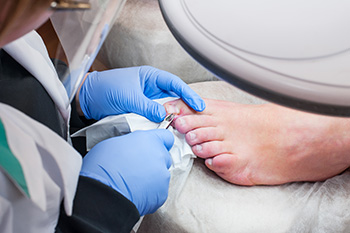
Ingrown toenail infections occur when the edge of the toenail grows into the surrounding skin, allowing bacteria or fungi to enter and cause infection. This condition is often caused by improper nail trimming, wearing tight or ill-fitting shoes, injury, or poor foot hygiene. Symptoms include redness, pain, warmth surrounding the nail, and sometimes pus or drainage indicating infection. The affected toe may look swollen and inflamed, and the pain can make walking or wearing shoes uncomfortable. If left untreated, the infection can worsen and lead to more serious complications. A podiatrist can diagnose ingrown toenail infections through a physical examination and assess the severity of the condition. Treatment may include antibiotics, proper nail care, or minor surgical procedures to remove the infected portion of the nail. To prevent worsening pain and complications, it is suggested that you schedule an appointment with a podiatrist for an expert evaluation and treatment.
Ingrown toenails may initially present themselves as a minor discomfort, but they may progress into an infection in the skin without proper treatment. For more information about ingrown toenails, contact one of our podiatrists of Save Your Soles. our doctors can provide the care you need to keep you pain-free and on your feet.
Ingrown Toenails
Ingrown toenails are caused when the corner or side of a toenail grows into the soft flesh surrounding it. They often result in redness, swelling, pain, and in some cases, infection. This condition typically affects the big toe and may recur if it is not treated properly.
Causes
- Improper toenail trimming
- Genetics
- Improper shoe fitting
- Injury from pedicures or nail picking
- Abnormal gait
- Poor hygiene
You are more likely to develop an ingrown toenail if you are obese, have diabetes, arthritis, or have any fungal infection in your nails. Additionally, people who have foot or toe deformities are at a higher risk of developing an ingrown toenail.
Symptoms
Some symptoms of ingrown toenails are redness, swelling, and pain. In rare cases, there may be a yellowish drainage coming from the nail.
Treatment
Ignoring an ingrown toenail can have serious complications. Infections of the nail border can progress to a deeper soft-tissue infection, which can then turn into a bone infection. You should always speak with your podiatrist if you suspect you have an ingrown toenail, especially if you have diabetes or poor circulation.
If you have any questions, please feel free to contact our offices located in Abington and Willow Grove, PA . We offer the newest diagnostic and treatment technologies for all your foot care needs.
