How Psoriatic Arthritis Can Affect the Feet

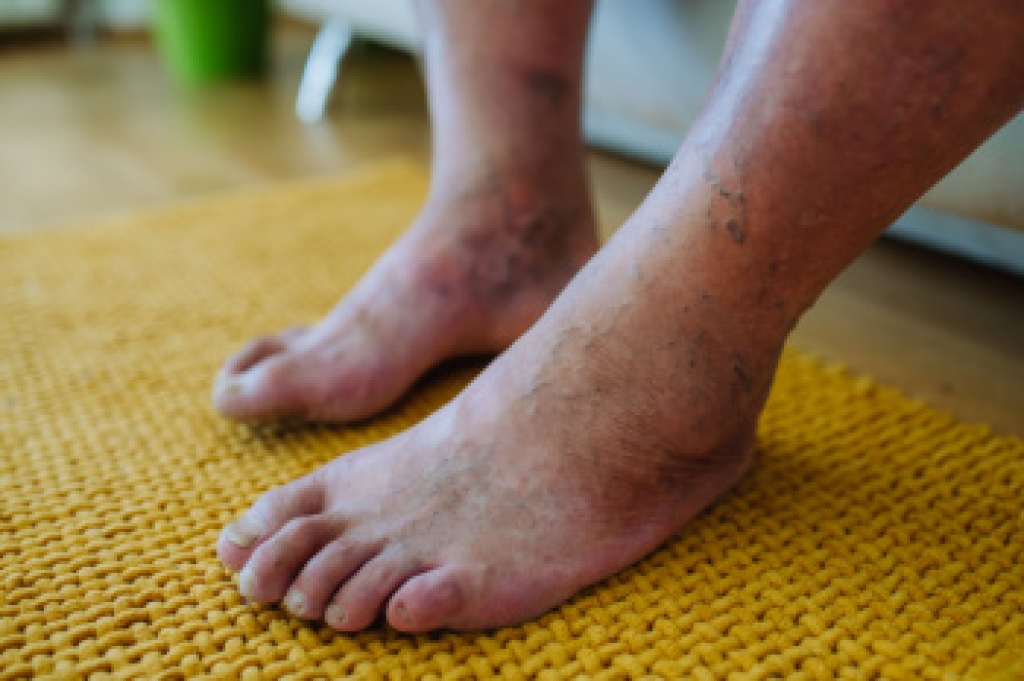
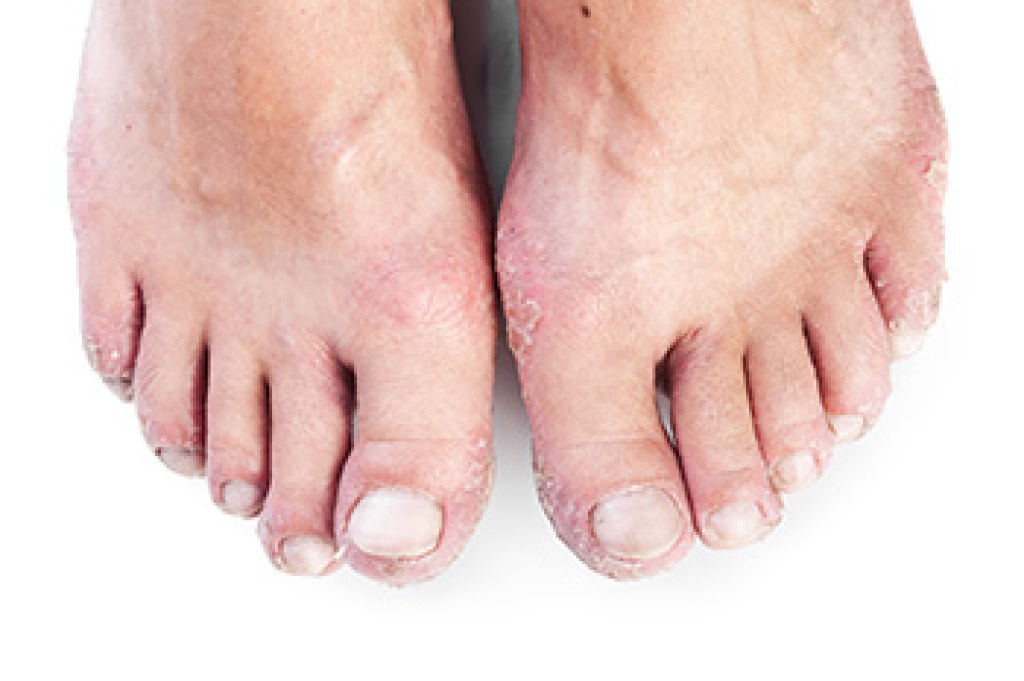
Psoriatic arthritis can cause painful and often disabling changes in the feet, toes, and ankles. Inflammation commonly develops in the small joints of the toes, leading to stiffness, swelling, and difficulty bending them or walking. Some people experience dactylitis, where an entire toe swells into a sausage-like shape. Others develop pain in the heel due to Achilles tendon involvement. Swelling in the ankles, which can restrict mobility, is also a frequent symptom of psoriatic arthritis. Over time, persistent inflammation may lead to deformities, such as clawed toes, shortening of the digits, or a flattened arch. Psoriatic arthritis can also affect the toenails, causing pitting, thickening, or discoloration, which may complicate footwear choices and performing daily activities. A podiatrist can diagnose psoriatic arthritis in the feet, recommend treatment to relieve pain and swelling, and discuss surgery if joint damage is severe. If you have symptoms of psoriatic arthritis in the feet, it is suggested that you make an appointment with a podiatrist for an exam, diagnosis, and treatment.

Arthritis can be a difficult condition to live with. If you are seeking treatment, contact one of our podiatrists from Save Your Soles. our doctors can provide the care you need to keep you pain-free and on your feet.

Arthritic Foot Care  

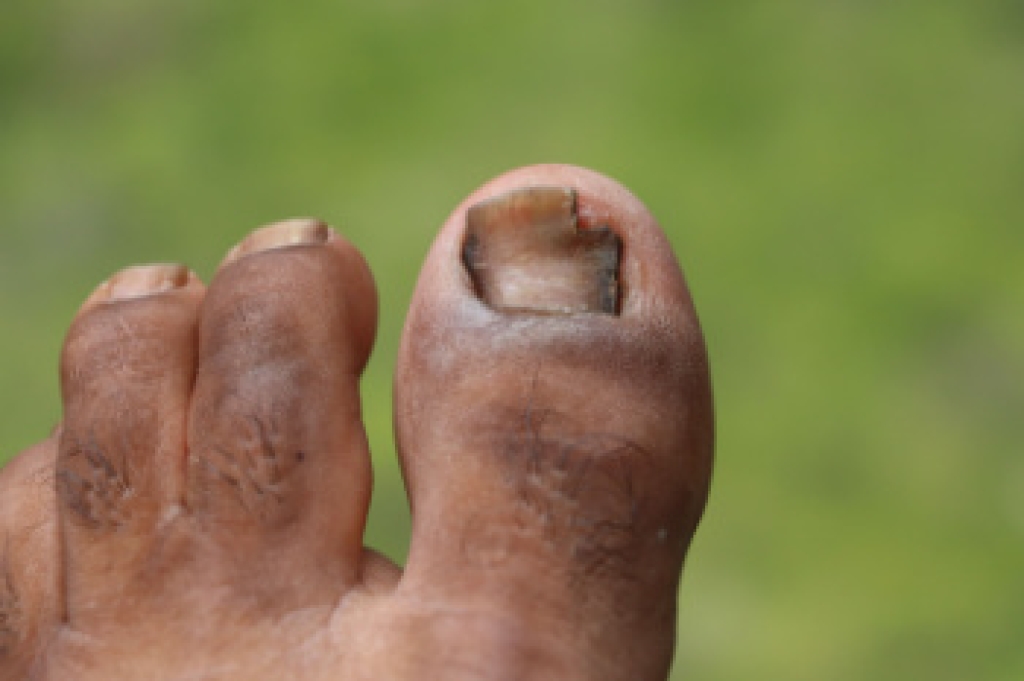
Arthritis is a joint disorder that involves the inflammation of different joints in your body, such as those in your feet. Arthritis is often caused by a degenerative joint disease and causes mild to severe pain in all affected areas. In addition to this, swelling and stiffness in the affected joints can also be a common symptom of arthritis.

In many cases, wearing ill-fitting shoes can worsen the effects and pain of arthritis. Wearing shoes that have a lower heel and extra room can help your feet feel more comfortable. In cases of rheumatoid arthritis, the arch in your foot may become problematic. Buying shoes with proper arch support that contour to your feet can help immensely.

Alleviating Arthritic Pain

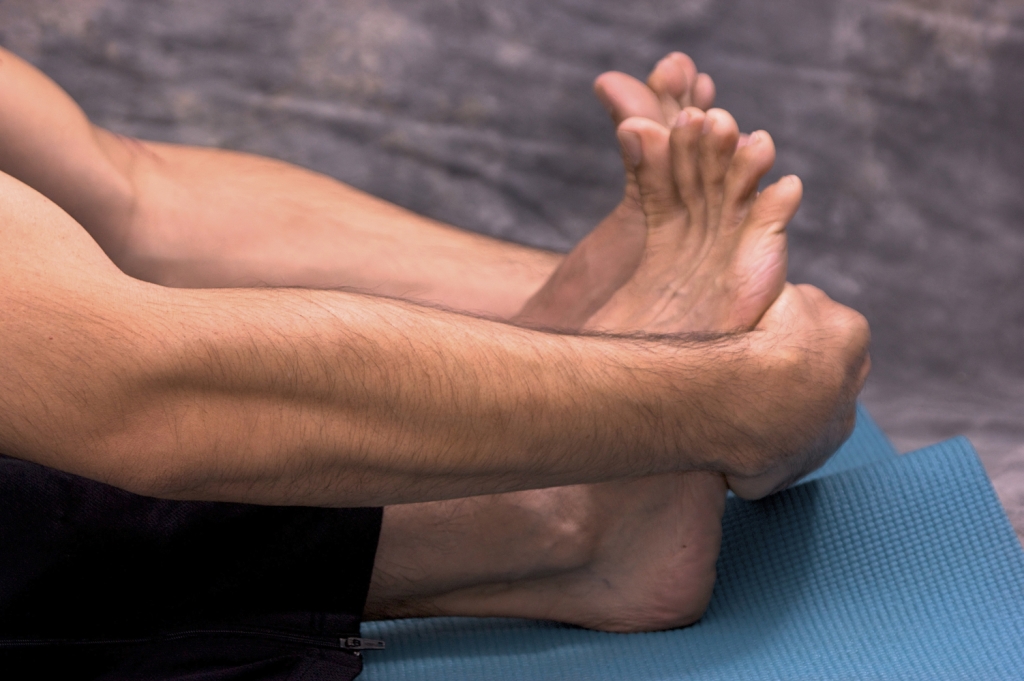
  • Exercises that stretch the foot can prevent further pain and injury and increase mobility
  • Most of the pain can be alleviated with anti-inflammatory drugs, heat, and topical medications
  • Massages can help temporarily alleviate pain.

It is best to see your doctor for the treatment that is right for your needs and symptoms. Conditions vary, and a podiatrist can help you determine the right method of care for your feet.

If you have any questions please feel free to contact our offices located in Abington and Willow Grove, PA . We offer the newest diagnostic tools and technology to treat your foot and ankle needs.
Read more about How to Care for Your Arthritic Foot

Three Stretches for Plantar Fasciitis

Plantar fasciitis is a foot condition in which the plantar fascia ligament, which connects the heel bone to the toes, becomes inflamed, typically due to injury from overuse. The most common symptom of plantar fasciitis is pain in the heel and the arch of the affected foot. If you have this condition, performing certain stretches may help aid in your recovery from plantar fasciitis. The gastroc stretch helps stretch out the gastroc muscle and Achilles tendon. The soleus stretch helps stretch the soleus muscle and Achilles tendon. The flexor hallicus longus stretch helps stretch the bottom of the foot, inside of the ankle, and back of the calf. To learn more about how stretching can help you in your recovery from plantar fasciitis, please speak with a podiatrist. 

Plantar fasciitis can be very painful and inconvenient. If you are experiencing heel pain or symptoms of plantar fasciitis, contact one of our podiatrists  from Save Your Soles. our doctors can provide the care you need to keep you pain-free and on your feet.

What Is Plantar Fasciitis?

Plantar fasciitis is the inflammation of the thick band of tissue that runs along the bottom of your foot, known as the plantar fascia, and causes mild to severe heel pain.

What Causes Plantar Fasciitis?

  • Excessive running
  • Non-supportive shoes
  • Overpronation
  • Repeated stretching and tearing of the plantar fascia

How Can It Be Treated?

  • Conservative measures – anti-inflammatories, ice packs, stretching exercises, physical therapy, orthotic devices
  • Shockwave therapy – sound waves are sent to the affected area to facilitate healing and are usually used for chronic cases of plantar fasciitis
  • Surgery – usually only used as a last resort when all else fails. The plantar fascia can be surgically detached from the heel

While very treatable, plantar fasciitis is definitely not something that should be ignored. Especially in severe cases, speaking to your doctor right away is highly recommended to avoid complications and severe heel pain. Your podiatrist can work with you to provide the appropriate treatment options tailored to your condition.

If you have any questions, please feel free to contact our offices located in Abington and Willow Grove, PA . We offer the newest diagnostic and treatment technologies for all your foot care needs.

Read more about Plantar Fasciitis

When Toenails Fall Victim to Fungi

A fungal toenail infection often begins subtly, with a small white or yellow spot beneath the nail. Over time, the infection can spread deeper, causing the nail to thicken, become brittle, and change color. The surface may turn rough or crumbly, and, in some cases, the nail can lift away from the bed entirely. Warm, moist environments like sweaty shoes create the perfect setting for fungi to thrive, which is why this condition is common among athletes and older adults. Although not usually painful in the early stages, the infection can become uncomfortable and make walking or wearing shoes difficult. Mild remedies rarely provide a lasting cure, and untreated infections often persist for years. For safe and effective solutions tailored to your needs, it is suggested that you see a podiatrist for evaluation and appropriate treatment, which may include prescribed medication.

For more information about treatment, contact one of our podiatrists of Save Your Soles. our doctors can provide the care you need to keep you pain-free and on your feet.

Toenail Fungus Treatment

Toenail fungus is a condition that affects many people and can be especially hard to get rid of. Fortunately, there are several methods to go about treating and avoiding it.

Antifungals & Deterrence

Oral antifungal medicine has been shown to be effective in many cases. It is important to consult with a podiatrist to determine the proper regiment for you, or potentially explore other options.

Applying foot powder on the feet and shoes helps keep the feet free of moisture and sweat.

Sandals or open toed shoes – Wearing these will allow air movement and help keep feet dry. They also expose your feet to light, which fungus cannot tolerate. Socks with moisture wicking material also help as well.

If you have any questions please contact our offices located in Abington and Willow Grove, PA . We offer the newest diagnostic and treatment technologies for all your foot and ankle needs.

Read more about Treating Toenail Fungus

Are Bunions Affecting Your Everyday Life?

Have you noticed a bony protrusion on the side of your big toe? If so, you may have developed the foot condition known as a bunion. Don't let bunions interfere with your daily activities.

Ways That Diabetes Affects the Feet

Diabetes can have a profound effect on the feet due to its impact on both nerves and circulation. Nerve damage, also called diabetic neuropathy, may reduce the ability to feel pain or temperature changes in the feet. This can allow small injuries, burns, or sores to go unnoticed and worsen over time. The loss of sensation can also lead to structural changes in the bones, joints, and muscles of the feet. Some people may still experience tingling, burning, or sharp pain from nerve involvement. Poor circulation, often linked to narrowed arteries, limits the blood flow needed for healing. This leaves the feet more vulnerable to ulcers or other problems. Infections can spread quickly in feet affected by diabetes and are harder to treat due to slower healing. A podiatrist can identify early warning signs, provide treatment for ulcers or infections, and help prevent severe complications. If you have complications from diabetes that are affecting your feet, it is suggested that you make an appointment with a podiatrist for regular treatment.

Diabetic foot care is important in preventing foot ailments such as ulcers. If you are suffering from diabetes or have any other concerns about your feet, contact one of our podiatrists from Save Your Soles. our doctors can provide the care you need to keep you pain-free and on your feet.

Diabetic Foot Care

Diabetes affects millions of people every year. The condition can damage blood vessels in many parts of the body, especially the feet. Because of this, taking care of your feet is essential if you have diabetes, and having a podiatrist help monitor your foot health is highly recommended.

The Importance of Caring for Your Feet

  • Routinely inspect your feet for bruises or sores.
  • Wear socks that fit your feet comfortably.
  • Wear comfortable shoes that provide adequate support.

Patients with diabetes should have their doctor monitor their blood levels, as blood sugar levels play such a huge role in diabetic care. Monitoring these levels on a regular basis is highly advised.

It is always best to inform your healthcare professional of any concerns you may have regarding your feet, especially for diabetic patients. Early treatment and routine foot examinations are keys to maintaining proper health, especially because severe complications can arise if proper treatment is not applied.

If you have any questions, please feel free to contact our offices located in Abington and Willow Grove, PA . We offer the newest diagnostic and treatment technologies for all your foot care needs.

Read more about How to Care for Diabetic Foot

Connect With Us

scroll to top