Gout Can Lead to Lasting Bone and Joint Damage

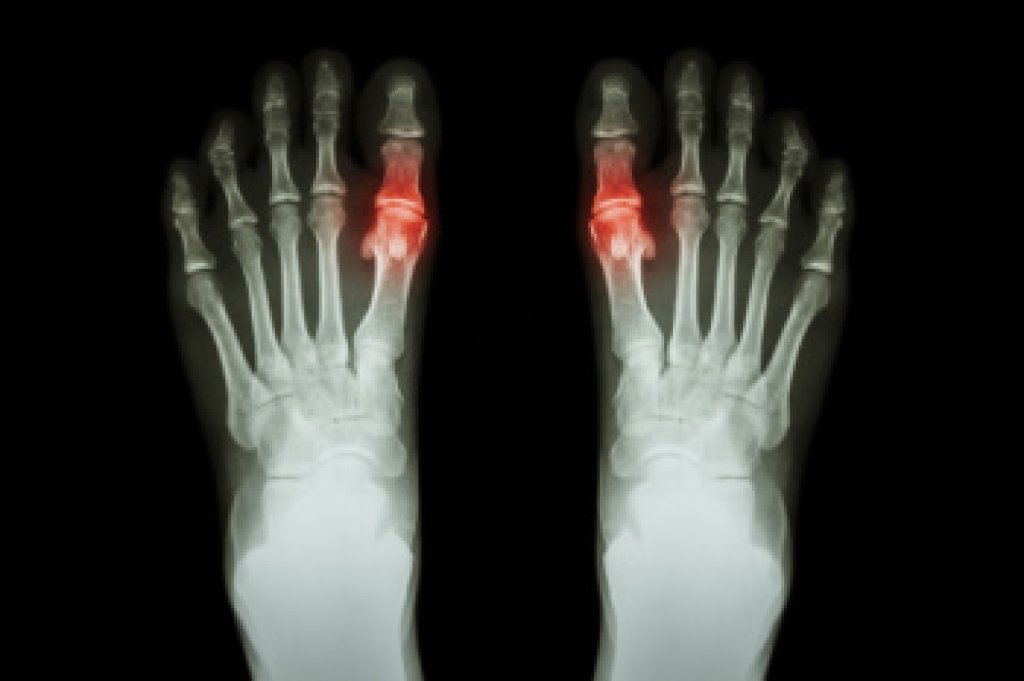
Gout develops when uric acid forms sharp crystals in a joint. Uric acid is a waste product that leaves the body through the kidneys. When too much remains in the blood, crystals can collect and trigger inflammation. An attack typically begins in the big-toe joint, though it can also affect the ankle. Symptoms include intense pain, swelling, and redness. The joint can also feel warm and extremely tender. Even light pressure from a sock or bedsheet can become difficult to tolerate. Repeated attacks can damage nearby bone and threaten the long-term health of the joint.

Gout research has found bone erosions in nearly half of the patients studied. These findings show why recurring attacks deserve careful medical attention. Bone erosions are damaged areas along the surface of a bone near a joint. The damage was more likely to occur among older patients and those who had lived with gout longer. It was also linked to frequent flare-ups. High blood pressure, high blood sugar, and kidney disease were associated with greater risk. Tophi, which are firm deposits of uric acid crystals around joints, were also connected with bone deterioration. 

A podiatrist can examine the painful joint and review the pattern of gout attacks. The evaluation includes checking swelling, skin color, and joint movement. Imaging can reveal crystal deposits or bone damage, while laboratory testing can help support the diagnosis. The podiatrist can develop a treatment plan and coordinate care with the patient’s primary doctor or another specialist. Professional foot care can protect irritated skin and reduce pressure around a tender joint. A podiatrist can also recommend fitted shoes or custom orthotics that improve comfort and support. Regular evaluations help track changes in the joint and identify complications before more damage occurs. Early diagnosis and steady medical management can reduce future attacks and protect joint health. If you have symptoms of gout, it is suggested that you schedule an appointment with a podiatrist for a diagnosis and appropriate treatment.

Gout is a painful condition that can be treated. If you are seeking treatment, contact one of our podiatrists from Save Your Soles. our doctors will treat your foot and ankle needs.

What Is Gout?

Gout is a form of arthritis that is characterized by sudden, severe attacks of pain, redness, and tenderness in the joints. The condition usually affects the joint at the base of the big toe. A gout attack can occur at any random time, such as the middle of the night while you are asleep.

Symptoms

  • Intense Joint Pain - Usually around the large joint of your big toe, and it most severe within the first four to twelve hours
  • Lingering Discomfort - Joint discomfort may last from a few days to a few weeks
  • Inflammation and Redness -Affected joints may become swollen, tender, warm and red
  • Limited Range of Motion - May experience a decrease in joint mobility

Risk Factors

  • Genetics - If family members have gout, you’re more likely to have it
  • Medications - Diuretic medications can raise uric acid levels
  • Gender/Age - Gout is more common in men until the age of 60. It is believed that estrogen protects women until that point
  • Diet - Eating red meat and shellfish increases your risk
  • Alcohol - Having more than two alcoholic drinks per day increases your risk
  • Obesity - Obese people are at a higher risk for gout

Prior to visiting your podiatrist to receive treatment for gout, there are a few things you should do beforehand. If you have gout you should write down your symptoms--including when they started and how often you experience them, important medical information you may have, and any questions you may have. Writing down these three things will help your podiatrist in assessing your specific situation so that he or she may provide the best route of treatment for you.

If you have any questions, please feel free to contact our offices located in Abington and Willow Grove, PA . We offer the newest diagnostic and treatment technologies for all your foot care needs.

Read more about Gout

Why Live with Pain and Numbness in Your Feet?

Suffering from this type of pain? You may have the foot condition known as Morton's neuroma. Morton's neuroma may develop as a result of ill-fitting footwear and existing foot deformities. We can help.

Heel Pain in Active Children May Indicate Sever’s Disease

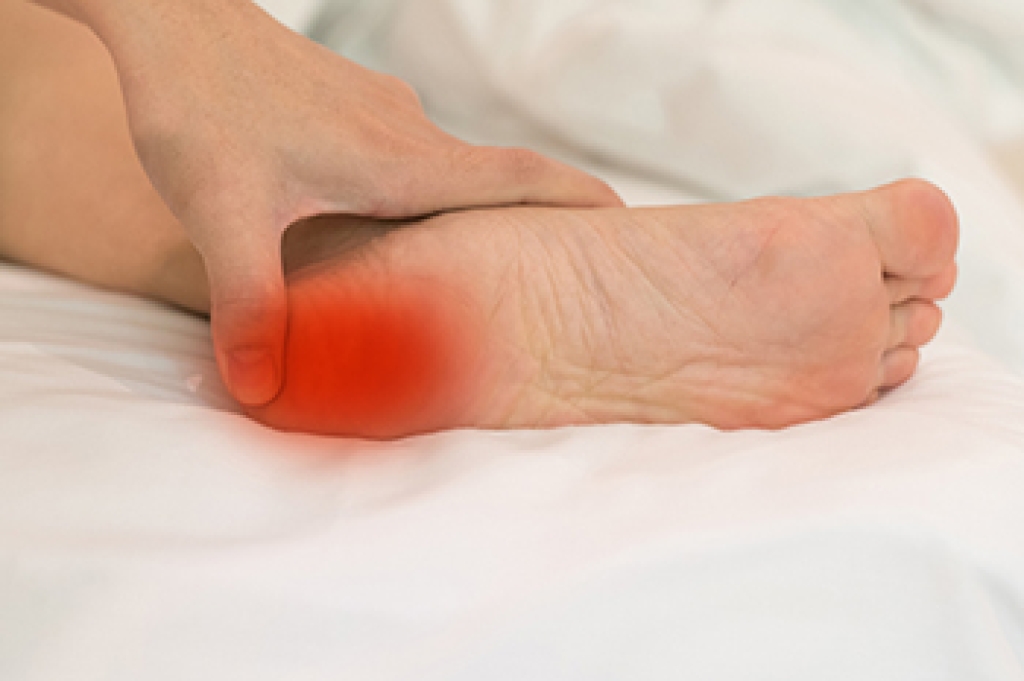
Heel pain in children is often linked to a condition known as Sever’s disease, which is a common cause of discomfort in growing athletes. Sever’s disease, also called calcaneal apophysitis, occurs when the growth plate in the heel becomes inflamed due to repetitive stress. The heel bone grows faster than surrounding muscles and tendons during growth spurts, which can create tension and irritation. This condition is not a disease in the traditional sense, but rather an overuse injury that affects active children between 8 and 14 years old, especially those involved in running and jumping activities.

Symptoms of Sever’s disease typically include heel pain during or after physical activity, tenderness at the back of the heel, and mild swelling. Children may limp, walk on their toes, or complain of stiffness, especially in the morning or after rest. The pain often worsens with certain sports, such as soccer, basketball, or gymnastics. Pressing on the sides of the heel may also cause discomfort, which is a common sign of this condition. Early recognition of symptoms can help prevent further irritation and allow for timely care.


Several risk factors contribute to the development of heel pain related to Sever’s disease. Rapid growth during childhood can place extra stress on the heel. Tight calf muscles, wearing improper footwear, and high levels of physical activity may increase strain on the growth plate. Hard playing surfaces and poor shock absorption can also worsen symptoms. Children who participate in year round sports without adequate rest may face a higher risk of developing this condition.


Managing heel pain in children involves reducing stress on the affected area and supporting proper foot mechanics. Rest, stretching exercises, and wearing supportive footwear can help relieve symptoms and improve comfort. Early care can prevent the condition from interfering with daily activities and sports participation. If your active child has heel pain, it is suggested that you consult a podiatrist for effective relief and management tips.

Sever's disease often occurs in children and teens. If your child is experiencing foot or ankle pain, see one of our podiatrists from Save Your Soles. our doctors can treat your child’s foot and ankle needs.

Sever’s Disease

Sever’s disease is also known as calcaneal apophysitis, which is a medical condition that causes heel pain I none or both feet. The disease is known to affect children between the ages of 8 and 14.

Sever’s disease occurs when part of the child’s heel known as the growth plate (calcaneal epiphysis) is attached to the Achilles tendon. This area can suffer injury when the muscles and tendons of the growing foot do not keep pace with bone growth. Therefore, the constant pain which one experiences at the back of the heel will make the child unable to put any weight on the heel. The child is then forced to walk on their toes.

Symptoms

Acute pain – Pain associated with Sever’s disease is usually felt in the heel when the child engages in physical activity such as walking, jumping and or running.

Highly active – Children who are very active are among the most susceptible in experiencing Sever’s disease, because of the stress and tension placed on their feet.

If you have any questions, please feel free to contact our offices located in Abington and Willow Grove, PA . We offer the newest diagnostic and treatment technologies for all your foot care needs.
Read more about Sever's Disease

Plantar Fibroma and Its Impact on Foot Health

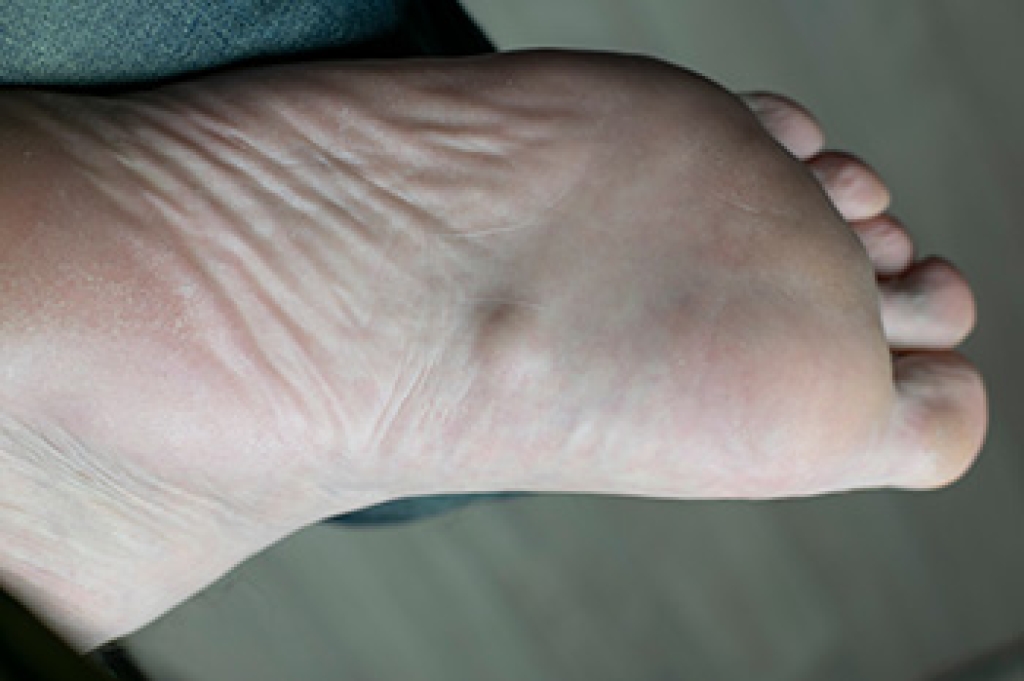
A plantar fibroma is a benign growth that develops within the plantar fascia, the thick band of tissue that runs along the bottom of the foot. This condition is part of a group of disorders known as plantar fibromatosis. The growth typically appears as a small, firm nodule in the arch area and may increase in size over time. Although non-cancerous, a plantar fibroma can interfere with normal walking and cause ongoing discomfort. Understanding this condition helps individuals recognize symptoms early and seek appropriate care.

Symptoms of a plantar fibroma often begin subtly with a noticeable lump in the arch of the foot. The nodule may feel firm to the touch and can become painful when pressure is applied, especially while standing or walking. Some individuals experience a dull ache or irritation when wearing shoes that press against the arch. As the fibroma grows, it may lead to changes in gait or foot positioning due to discomfort. Pain levels vary, but the presence of a persistent lump should not be ignored.

The exact cause of a plantar fibroma is not always clear, but several factors are believed to contribute. Repeated stress or strain on the plantar fascia may play a role in tissue thickening. Genetic predisposition is another important factor, as individuals with a family history of fibrous tissue conditions may be at higher risk. Additional risk factors include foot trauma, certain medical conditions, and lifestyle factors that place excessive pressure on the feet. These combined elements may lead to the formation of fibrous nodules within the fascia.

Managing a plantar fibroma involves reducing pressure on the affected area and monitoring changes in size or discomfort. Wearing supportive footwear, cushioning inserts, and activity modification may help relieve symptoms. Early evaluation is important to confirm the diagnosis and rule out other conditions. If you have a plantar fibroma, it is suggested that you consult a podiatrist for effective management solutions.

A plantar fibroma may disrupt your daily activities. If you have any concerns, contact one of our podiatrists of Save Your Soles. our doctors can provide the care you need to keep you pain-free and on your feet.

Plantar Fibroma

A plantar fibroma is a fibrous knot in the arch of the foot. It is embedded in the plantar fascia which is a band of tissue that extends from the heel to the toes along the bottom of the foot. There can be multiple plantar fibromas in the feet at the same time. There are no known causes for this condition. If you have a plantar fibroma, there will be a bump in the arch of your foot that cannot be missed. Any associated pain is most often due to a shoe rubbing against the nodule. Non-surgical options, such as steroid injections, physical therapy, and orthotics should be tried first. Surgery is a last resort and is the only thing that will remove a plantar fibroma entirely. Consult with a podiatrist for a proper diagnosis and to determine the treatment regimen that is right for you.

What Causes a Plantar Fibroma?

While there are no specific causes identified, a plantar fibroma can possibly come from genetic predisposition or the formation of scar tissue that forms from healing the tears in the plantar fascia.

What Are the Symptoms of a Plantar Fibroma?

There will be a noticeable lump in the arch of the foot that may or may not cause pain. If pain is felt, it is typically because a shoe is rubbing up against the lump or when walking or standing barefoot.

Treatment and Prevention

A plantar fibroma will not disappear without treatment, but it can get smaller and be a non-issue. If pain persists, a podiatrist examines the foot and when the arch of the foot is pressed, pain can be felt down to the toes. An MRI or biopsy might be performed to help diagnose or evaluate the plantar fibroma. The following non-surgical options are generally enough to reduce the size and pain of these nodules:

  • Steroid injections
  • Orthotics
  • Physical therapy to help apply anti-inflammatory creams on the bump 

Surgery is considered if the mass increases in size and the patient continues to feel pain after non-surgical methods are tried.

If you have any questions, please feel free to contact our offices located in Abington and Willow Grove, PA . We offer the newest diagnostic and treatment technologies for all your foot care needs.
Read more about Plantar Fibroma

Connect With Us

Advanced Podiatric Procedures & Services in the Montgomery County, PA: Abington, Willow Grove, Jenkintown, Cheltenham, Ambler, Horsham, Rockledge, Glenside, Bryn Athyn, Huntingdon Valley, Hatboro, Lansdale, Philadelphia County, PA: Philadelphia (northeastern neighborhoods near Abington), Bucks County, PA: Warminster, Bensalem, Levittown, Langhorne, Southampton areas