How a Podiatrist Diagnoses and Treats Morton’s Neuroma

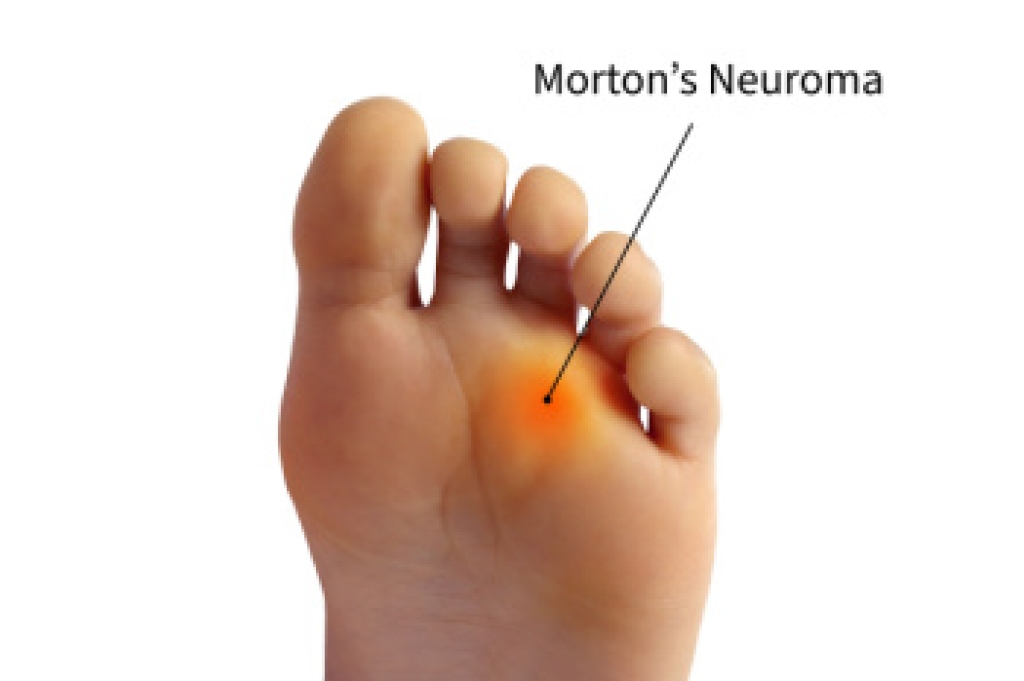
Morton’s neuroma develops when tissue surrounding a nerve between the toes becomes thicker because of repeated pressure or irritation. The problem usually affects the space between the third and fourth toes. As the tissue thickens, it squeezes the nerve and creates pain. Many people describe the feeling as though they are standing on a small pebble or have a fold in their sock. Burning pain, tingling, and numbness are also common. Symptoms usually become worse while walking or wearing tight, narrow shoes. Removing the shoes can bring temporary relief, but discomfort frequently returns when pressure on the nerve continues. Some people notice pain even while resting after a busy day.

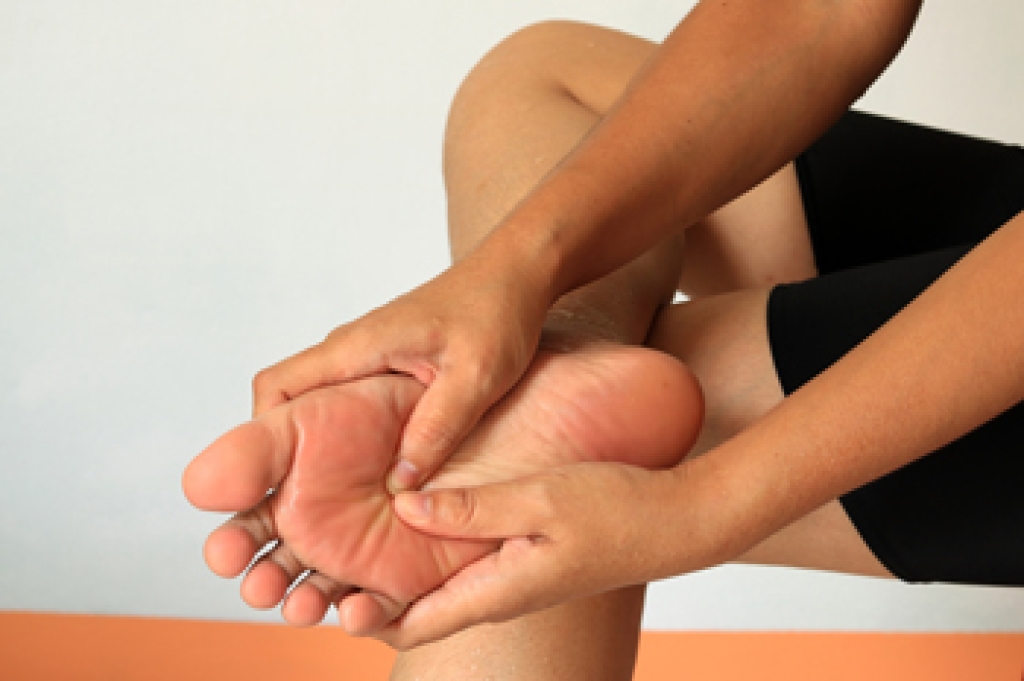
Several factors increase the risk of Morton’s neuroma. Shoes that squeeze the toes place extra pressure on the nerve. High-heeled shoes can also increase stress on the front of the foot. Certain foot shapes, like flat feet or high arches, can change the way pressure is spread across the foot. A podiatrist diagnoses the condition by discussing symptoms and carefully examining the foot. Gentle pressure between the toes can help locate the irritated nerve. An ultrasound or MRI scan can help confirm the diagnosis and guide treatment decisions when a clearer view of the affected area is needed.

A podiatrist creates a treatment plan that reduces pressure on the affected nerve and improves comfort. Treatment includes shoes with a wide toe area, custom orthotics, and steroid injections. These options can reduce irritation and make walking more comfortable. When symptoms continue despite treatment, surgery to remove the affected nerve can provide lasting relief. Early diagnosis helps prevent symptoms from becoming more disruptive and allows treatment to begin before pain limits daily activities. Prompt care also helps patients stay active with greater comfort and confidence. If you have symptoms of Morton’s neuroma, it is suggested that you schedule an appointment with a podiatrist for a diagnosis and appropriate treatment.

Morton’s neuroma is a very uncomfortable condition to live with. If you think you have Morton’s neuroma, contact one of our podiatrists of Save Your Soles. our doctors will attend to all of your foot care needs and answer any of your related questions.  

Morton’s Neuroma

Morton's neuroma is a painful foot condition that commonly affects the areas between the second and third or third and fourth toe, although other areas of the foot are also susceptible. Morton’s neuroma is caused by an inflamed nerve in the foot that is being squeezed and aggravated by surrounding bones.

What Increases the Chances of Having Morton’s Neuroma?

  • Ill-fitting high heels or shoes that add pressure to the toe or foot
  • Jogging, running or any sport that involves constant impact to the foot
  • Flat feet, bunions, and any other foot deformities

Morton’s neuroma is a very treatable condition. Orthotics and shoe inserts can often be used to alleviate the pain on the forefront of the feet. In more severe cases, corticosteroids can also be prescribed. In order to figure out the best treatment for your neuroma, it’s recommended to seek the care of a podiatrist who can diagnose your condition and provide different treatment options.

If you have any questions, please feel free to contact our offices located in Abington and Willow Grove, PA . We offer the newest diagnostic and treatment technologies for all your foot care needs.
Read more about Morton's Neuroma

Swollen Big Toe Causes and Symptoms

A swollen big toe can make walking uncomfortable and interfere with daily activities. The swelling may develop suddenly or gradually, depending on the cause. In some cases, the toe becomes red, warm, and painful. Other symptoms include stiffness, tenderness, or difficulty wearing shoes. Several conditions can lead to a swollen big toe, including gout, bunions, and arthritis. Gout is a type of arthritis caused by a buildup of uric acid crystals in a joint. Bunions are bony bumps that form near the base of the big toe. Arthritis causes joint inflammation and can limit movement. A podiatrist can identify the source of the swelling and determine the most appropriate treatment.

Because different conditions can create similar symptoms, a professional evaluation is important. Symptoms associated with a swollen big toe vary according to the underlying condition. Some patients experience sharp pain and redness. Others develop stiffness and reduced motion. A swollen toe caused by an injury can include bruising, tenderness, and difficulty putting weight on the foot. Additional signs include warmth around the joint. Some patients notice a visible bump near the side or top of the toe. A podiatrist performs a physical examination and reviews medical history. Diagnostic testing may include X-rays or other scans to help confirm the cause.

Treatment focuses on reducing pain, controlling inflammation, and improving function. A podiatrist may recommend medication for gout-related swelling or provide treatment for arthritis symptoms. Structural problems, such as bunions, can require custom treatment plans designed to reduce pressure on the joint. When an injury is responsible, a podiatrist can evaluate the severity of the damage and recommend appropriate care. Early diagnosis helps prevent additional joint problems and can improve comfort while walking. If your big toe is swollen and painful, it is suggested that you schedule an appointment with a podiatrist for an accurate diagnosis and effective treatment solutions.

Toe pain can disrupt your daily activities. If you have any concerns, contact one of our podiatrists of Save Your Soles. our doctors can provide the care you need to keep you pain-free and on your feet.

What Causes Toe Pain?

Most severe toe pain is caused due to a sports injury, trauma from dropping something heavy on the toe, or bumping into something rigid. Other problems can develop over time for various reasons.

Toe pain can be caused by one or more ailments. The most common include:

  • Trauma
  • Sports injury
  • Wearing shoes that are too tight
  • Arthritis
  • Gout
  • Corns and calluses
  • Hammertoe
  • Bunions
  • Blisters
  • Ingrown toenails
  • Sprains
  • Fractures (broken bones)
  • Dislocations

When to See a Podiatrist

  • Severe pain
  • Persistent pain that lasts more than a week
  • Signs of infection
  • Continued swelling
  • Pain that prevents walking

Diagnosis

In many cases the cause of toe pain is obvious, but in others, a podiatrist may want to use more advanced methods to determine the problem. These can range from simple visual inspections and sensation tests to X-rays and MRI scans. Prior medical history, family medical history, and any recent physical traumatic events will all be taken into consideration for a proper diagnosis.

Treatment

Treatments for toe pain and injuries vary and may include shoe inserts, padding, taping, medicines, injections, and in some cases, surgery. If you believe that you have broken a toe, please see a podiatrist as soon as possible.

If you have any questions please contact our offices located in Abington and Willow Grove, PA . We offer the newest diagnostic and treatment technologies for all your foot and ankle needs.

Read more about Toe Pain

Causes of Pain in the Ball of the Foot

Pain in the ball of the foot can make simple activities difficult, especially when standing or walking. The ball of the foot is the padded area between the arch and the toes that helps support body weight with every step. When this area becomes irritated or inflamed, even routine movement can become painful. Symptoms can range from a dull ache to a sharp or burning sensation. Some patients also notice tingling, numbness, or the feeling that something is stuck inside a shoe. These symptoms can begin suddenly after an injury or develop gradually from repeated pressure on the front of the foot. 

Several conditions can cause pain in the ball of the foot. Bunions, hammertoes, and high arches can affect how body weight is distributed across the foot. Activities that involve frequent running or jumping also increase pressure on the front of the foot. Footwear choices can make the problem worse. High-heels, shoes that are too tight or too loose, or shoes that lack proper support are common culprits. Medical conditions like arthritis, gout, and nerve irritation can also lead to pain in this area. A podiatrist begins with a thorough examination of the foot and discusses your symptoms and daily activities. Diagnostic testing includes X-rays or advanced imaging to identify injuries or rule out other conditions.

Treatment focuses on correcting the source of the pain and restoring normal foot function. A podiatrist can recommend custom orthotics to improve weight distribution, treat painful calluses, or address foot deformities that put pressure on the forefoot. When structural damage or severe deformities are responsible for ongoing pain, surgery can provide lasting relief. Prompt treatment also helps reduce the risk of developing pain in the ankles, knees, hips, or lower back because of an altered walking pattern. If you have pain in the ball of your foot, it is suggested that you schedule an appointment with a podiatrist for an accurate diagnosis and appropriate treatment.

Foot Pain

Foot pain can be extremely painful and debilitating. If you have a foot pain, consult with one of our podiatrists from Save Your Soles. our doctors will assess your condition and provide you with quality foot and ankle treatment.

Causes

Foot pain is a very broad condition that could be caused by one or more ailments. The most common include:

  • Bunions
  • Hammertoes
  • Plantar Fasciitis
  • Bone Spurs
  • Corns
  • Tarsal Tunnel Syndrome
  • Ingrown Toenails
  • Arthritis (such as Gout, Rheumatoid, and Osteoarthritis)
  • Flat Feet
  • Injury (from stress fractures, broken toe, foot, ankle, Achilles tendon ruptures, and sprains)
  • And more

Diagnosis

To figure out the cause of foot pain, podiatrists utilize several different methods. This can range from simple visual inspections and sensation tests to X-rays and MRI scans. Prior medical history, family medical history, and any recent physical traumatic events will all be taken into consideration for a proper diagnosis.

Treatment

Treatment depends upon the cause of the foot pain. Whether it is resting, staying off the foot, or having surgery; podiatrists have a number of treatment options available for foot pain.

If you have any questions, please feel free to contact our offices located in Abington and Willow Grove, PA . We offer the newest diagnostic and treatment technologies for all your foot care needs.

Read more about Foot Pain

Wounds That Don't Heal Need to Be Checked

Your feet are covered most of the day. If you're diabetic, periodic screening is important for good health. Numbness is often a sign of diabetic foot and can mask a sore or wound.

Causes, Risks, and Treatment of Flat Feet

Flat feet occur when the arches of the feet are low or absent, causing most or all of the sole to make contact with the ground while standing. Some people are born with flat feet, while others develop them later in life. Aging, injuries, arthritis, and certain inherited conditions can affect the structures that support the arch. Flat feet do not always cause discomfort, but they can change the way weight is distributed across the feet. This change can place added stress on the heels, ankles, and lower legs. As a result, some people experience pain, fatigue, or difficulty with movement. 

Symptoms of flat feet vary from person to person. Included are pain in the arch, heel, or ankle. Swelling around the ankle or discomfort that increases while walking or prolonged standing may also occur. Flat feet can affect body alignment, leading to pain in the knees, hips, or lower back. A podiatrist can evaluate the structure and function of the feet through a physical examination and gait analysis. This assessment looks at how the feet move and bear weight. Diagnostic imaging, like X-rays can provide additional information about the bones and joints. Identifying the cause of flat feet is an important step in creating an effective treatment plan.

Treatment focuses on reducing pain, improving foot function, and supporting the arches. A podiatrist can prescribe custom orthotics to improve alignment and reduce strain on the feet. Other treatment options include ankle bracing and recommendations for shoes with proper support and stability. A podiatrist can manage related conditions that contribute to flat feet and monitor changes in foot structure. In severe cases, surgery can correct structural problems that are causing significant pain or limiting mobility. If you have flatfoot pain, it is suggested that you schedule an appointment with a podiatrist for diagnosis and appropriate relief and treatment solutions.

Flatfoot is a condition many people suffer from. If you have flat feet, contact one of our podiatrists from Save Your Soles. our doctors will treat your foot and ankle needs.

What Are Flat Feet?

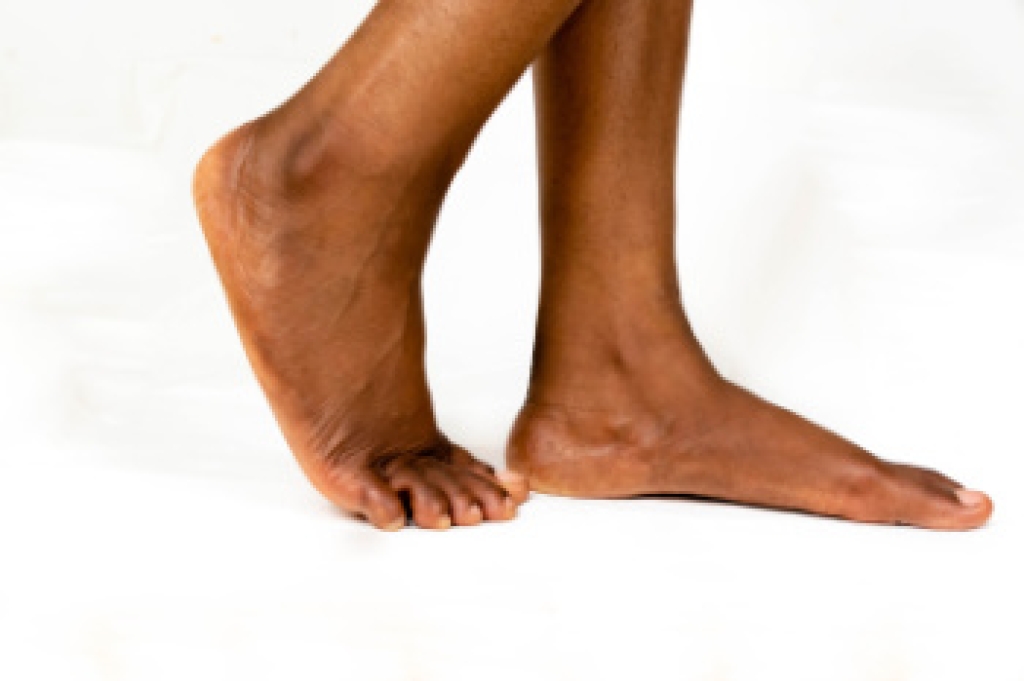
Flatfoot is a condition in which the arch of the foot is depressed and the sole of the foot is almost completely in contact with the ground. About 20-30% of the population generally has flat feet because their arches never formed during growth.

Conditions & Problems:

Having flat feet makes it difficult to run or walk because of the stress placed on the ankles.

Alignment – The general alignment of your legs can be disrupted, because the ankles move inward which can cause major discomfort.

Knees – If you have complications with your knees, flat feet can be a contributor to arthritis in that area.  

Symptoms

  • Pain around the heel or arch area
  • Trouble standing on the tip toe
  • Swelling around the inside of the ankle
  • Flat look to one or both feet
  • Having your shoes feel uneven when worn

Treatment

If you are experiencing pain and stress on the foot you may weaken the posterior tibial tendon, which runs around the inside of the ankle. 

If you have any questions, please feel free to contact our offices located in Abington and Willow Grove, PA . We offer the newest diagnostic and treatment technologies for all your foot care needs.
Read more about What is Flexible Flat Foot?

Connect With Us

Advanced Podiatric Procedures & Services in the Montgomery County, PA: Abington, Willow Grove, Jenkintown, Cheltenham, Ambler, Horsham, Rockledge, Glenside, Bryn Athyn, Huntingdon Valley, Hatboro, Lansdale, Philadelphia County, PA: Philadelphia (northeastern neighborhoods near Abington), Bucks County, PA: Warminster, Bensalem, Levittown, Langhorne, Southampton areas