
Facts About Athlete’s Foot

Athlete’s foot is a contagious fungal infection that affects the skin on the feet. This fungus is a living organism that grows best in warm, moist environments. The infection commonly develops between the toes, but it can also affect the soles of the feet and the toenails. Because the fungus spreads easily, athlete’s foot is frequently picked up in places where people walk barefoot. These areas include locker rooms, swimming pool decks, and public shower areas. The infection can also spread through contact with contaminated shoes, socks, towels, and other surfaces. People who wear closed shoes for long periods of time, or whose feet stay damp, are at greater risk of developing athlete’s foot.

The symptoms of athlete’s foot can range from mild to severe. Common signs include itching, redness, and peeling skin. Some people develop cracking between the toes, while others notice burning sensations or painful skin irritation. Small blisters filled with fluid can also form. When the infection spreads to the toenails, the nails can become thick, brittle, and discolored. Athlete’s foot can affect comfort while walking, and may make daily activities more difficult. Because other foot conditions can look similar, a proper diagnosis is important. A podiatrist can examine the skin, identify the source of the problem, and determine whether a fungal infection is present.

Treatment focuses on eliminating the fungus and preventing the infection from becoming more severe. A podiatrist can recommend prescription-strength medications when appropriate and monitor the skin for signs of complications. In some cases, athlete’s foot can lead to bacterial infections, as harmful germs enter damaged skin. Early treatment can help reduce discomfort and limit the spread of the fungus to other areas of the body or to other people. If you have an athlete's foot infection, it is suggested that you schedule an appointment with a podiatrist for an accurate diagnosis and appropriate treatment solutions, which may include prescribed medication.

Athlete’s foot is an inconvenient condition that can be easily reduced with the proper treatment. If you have any concerns about your feet and ankles, contact one of our podiatrists from Save Your Soles.  our doctors will treat your foot and ankle needs.

Athlete’s Foot: The Sole Story

Athlete's foot, also known as tinea pedis, can be an extremely contagious foot infection. It is commonly contracted in public changing areas and bathrooms, dormitory style living quarters, around locker rooms and public swimming pools, or anywhere your feet often come into contact with other people.

Solutions to Combat Athlete’s Foot

  • Hydrate your feet by using lotion
  • Exfoliate
  • Buff off nails
  • Use of anti-fungal products
  • Examine your feet and visit your doctor if any suspicious blisters or cuts develop

Athlete’s foot can cause many irritating symptoms such as dry and flaking skin, itching, and redness. Some more severe symptoms can include bleeding and cracked skin, intense itching and burning, and even pain when walking. In the worst cases, Athlete’s foot can cause blistering as well. Speak to your podiatrist for a better understanding of the different causes of Athlete’s foot, as well as help in determining which treatment options are best for you.

If you have any questions please feel free to contact our offices located in Abington and Willow Grove, PA . We offer the newest diagnostic and treatment technologies for all your foot and ankle needs.
Read more about How to Deal with Athlete's Foot

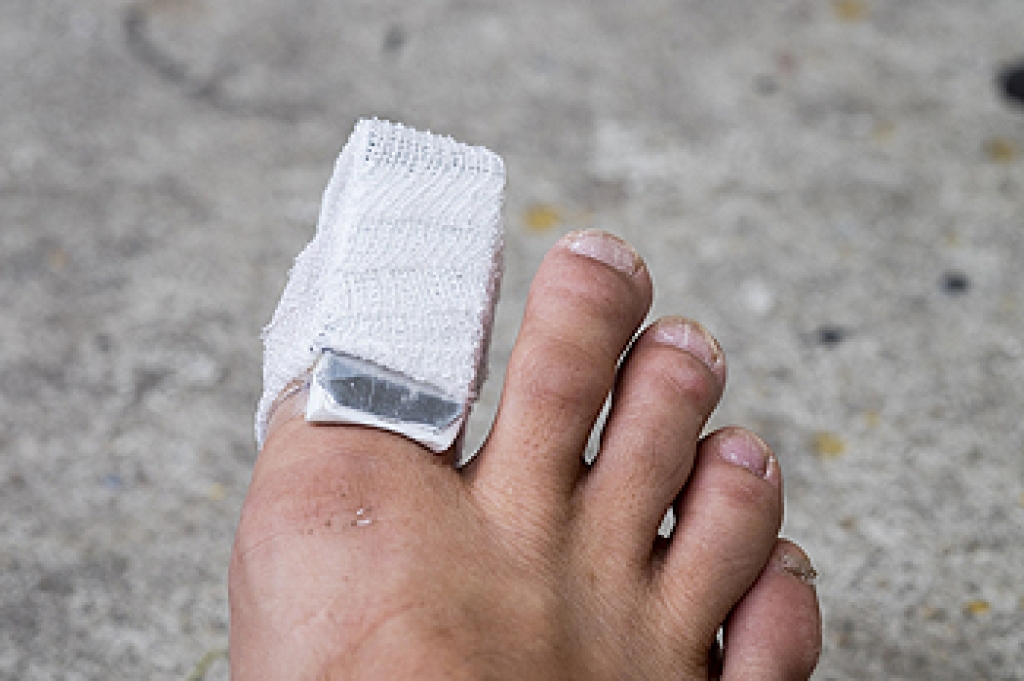
Broken Toes and Buddy Taping

The majority of broken toes can heal by staying off of the foot. If the fracture is severe, the toe may need to be stabilized as the healing process occurs. This can be accomplished by using a method that is called buddy taping, which is done by taping the affected toe to the toe next to it. Broken toes can cause severe pain and discomfort, and generally happens if a heavy object is dropped on it. Some patients stub their toe against a piece of furniture, and this can cause the toe to break. It is beneficial to limit walking as much as possible. Additionally, it can help to wear shoes that are large enough to accommodate the broken toe. If you have broken your toe, it is suggested that you consult with a podiatrist as quickly as possible to determine the best course of treatment.

A broken toe can be very painful and lead to complications if not properly fixed. If you have any concerns about your feet, contact one of our podiatrists from Save Your Soles. our doctors will treat your foot and ankle needs.

What to Know About a Broken Toe

Although most people try to avoid foot trauma such as banging, stubbing, or dropping heavy objects on their feet, the unfortunate fact is that it is a common occurrence. Given the fact that toes are positioned in front of the feet, they typically sustain the brunt of such trauma. When trauma occurs to a toe, the result can be a painful break (fracture).

Symptoms of a Broken Toe

  • Throbbing pain
  • Swelling
  • Bruising on the skin and toenail
  • The inability to move the toe
  • Toe appears crooked or disfigured
  • Tingling or numbness in the toe

Generally, it is best to stay off of the injured toe with the affected foot elevated.

Severe toe fractures may be treated with a splint, cast, and in some cases, minor surgery. Due to its position and the pressure it endures with daily activity, future complications can occur if the big toe is not properly treated.

If you have any questions, please feel free to contact our offices located in Abington and Willow Grove, PA . We offer the newest diagnostic and treatment technologies for all your foot care needs.

Read more about What to Know About a Broken Toe

Diabetic Foot Problems and Warning Signs

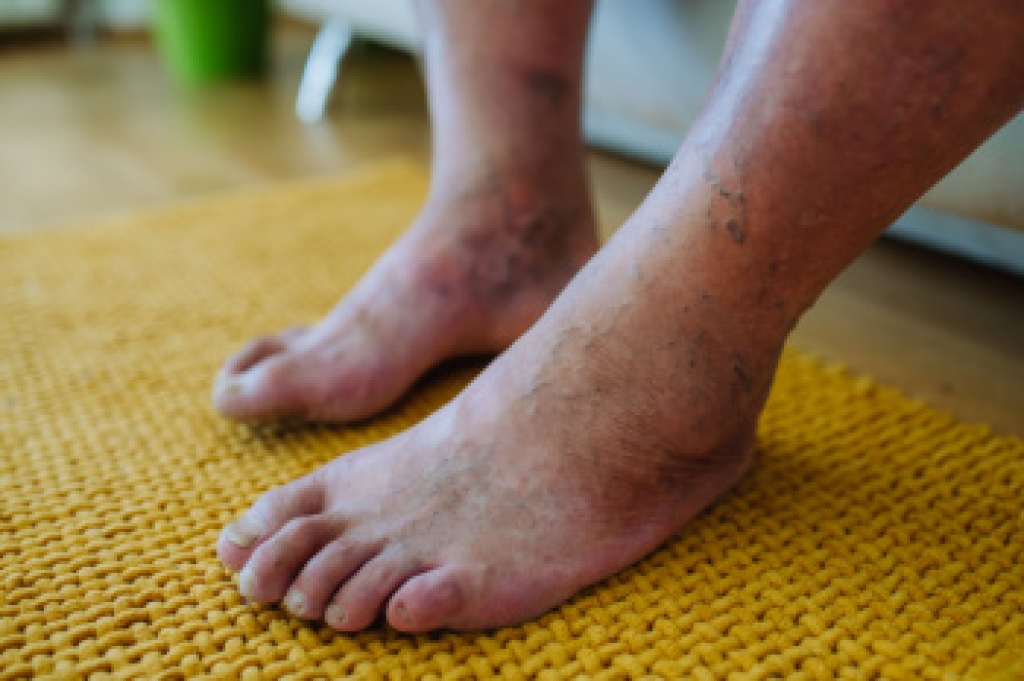
Diabetes can affect the feet in several ways, often creating problems that develop gradually and become serious without early attention. Reduced sensation from nerve damage may make it difficult to feel cuts, blisters, or pressure areas. Poor circulation can slow healing, allowing minor skin injuries to worsen, over time. Changes in foot shape may increase pressure on certain areas, raising the risk of calluses, skin breakdown, and deeper wounds. Infections may also develop more easily when healing is impaired. Some people notice dry, cracked skin, changes in nail health, swelling, or unexplained redness. A podiatrist can examine circulation, sensation, skin condition, and structural changes while helping manage concerns before complications progress. Routine diabetic foot evaluations can play an important role in protecting mobility and overall health. If you have diabetes and notice any foot changes, it is suggested that you visit a podiatrist without delay.

Diabetic foot care is important in preventing foot ailments such as ulcers. If you are suffering from diabetes or have any other concerns about your feet, contact one of our podiatrists from Save Your Soles. our doctors can provide the care you need to keep you pain-free and on your feet.

Diabetic Foot Care

Diabetes affects millions of people every year. The condition can damage blood vessels in many parts of the body, especially the feet. Because of this, taking care of your feet is essential if you have diabetes, and having a podiatrist help monitor your foot health is highly recommended.

The Importance of Caring for Your Feet

  • Routinely inspect your feet for bruises or sores.
  • Wear socks that fit your feet comfortably.
  • Wear comfortable shoes that provide adequate support.

Patients with diabetes should have their doctor monitor their blood levels, as blood sugar levels play such a huge role in diabetic care. Monitoring these levels on a regular basis is highly advised.

It is always best to inform your healthcare professional of any concerns you may have regarding your feet, especially for diabetic patients. Early treatment and routine foot examinations are keys to maintaining proper health, especially because severe complications can arise if proper treatment is not applied.

If you have any questions, please feel free to contact our offices located in Abington and Willow Grove, PA . We offer the newest diagnostic and treatment technologies for all your foot care needs.

Read more about Diabetic Foot Conditions

It's Time for Beautiful Feet

You don't need an excuse to have beautiful nails. Step outside without worrying about the appearance of your feet.

The Difference Between a Sprained or Broken Ankle

An ankle injury can be a sprain or a break, and the difference matters for care. A sprained ankle occurs when ligaments, which hold bones together, are stretched or torn after a twist or roll. A broken ankle means one or more bones in the joint are cracked or fully broken, from a twist or force. Both injuries include pain, swelling, and bruising, which makes them hard to tell apart. A break may cause pain, trouble standing, or a change in ankle shape. A sprain may feel unstable or sore along the soft tissues. A podiatrist can perform an exam and use X-rays or other imaging to confirm the injury. Treatment may include bracing, immobilization, or other methods to support healing and restore movement. If you have injured an ankle, it is suggested that you make an appointment with a podiatrist for a diagnosis and treatment.

Ankle pain can be caused by a number of problems and may be potentially serious. If you have ankle pain, consult with one of our podiatrists from Save Your Soles. our doctors will assess your condition and provide you with quality foot and ankle treatment.

Ankle pain is any condition that causes pain in the ankle. Due to the fact that the ankle consists of tendons, muscles, bones, and ligaments, ankle pain can come from a number of different conditions.

Causes

The most common causes of ankle pain include:

  • Types of arthritis (rheumatoid, osteoarthritis, and gout)
  • Ankle sprains
  • Broken ankles
  • Achilles tendonitis
  • Achilles tendon rupture
  • Stress fractures
  • Bursitis
  • Tarsal tunnel syndrome
  • Plantar fasciitis

Symptoms

Symptoms of ankle injury vary based upon the condition. Pain may include general pain and discomfort, swelling, aching, redness, bruising, burning or stabbing sensations, and/or loss of sensation.

Diagnosis

Due to the wide variety of potential causes of ankle pain, podiatrists will utilize a number of different methods to properly diagnose ankle pain. This can include asking for personal and family medical histories and of any recent injuries. Further diagnosis may include sensation tests, a physical examination, and potentially x-rays or other imaging tests.

Treatment

Just as the range of causes varies widely, so do treatments. Some more common treatments are rest, ice packs, keeping pressure off the foot, orthotics and braces, medication for inflammation and pain, and surgery.

If you have any questions please feel free to contact our offices located in Abington and Willow Grove, PA . We offer the newest diagnostic tools and technology to treat your foot and ankle needs.

Read more about Ankle Pain

Connect With Us

Advanced Podiatric Procedures & Services in the Montgomery County, PA: Abington, Willow Grove, Jenkintown, Cheltenham, Ambler, Horsham, Rockledge, Glenside, Bryn Athyn, Huntingdon Valley, Hatboro, Lansdale, Philadelphia County, PA: Philadelphia (northeastern neighborhoods near Abington), Bucks County, PA: Warminster, Bensalem, Levittown, Langhorne, Southampton areas