
Understanding Bunions and When Surgery Is Needed

A bunion is a bony bump that forms at the base of the big toe when it shifts inward and the joint becomes misaligned. A bunion can develop due to wearing improper footwear, aging, genetics, and structural foot imbalances. Symptoms include pain, swelling, redness, and difficulty wearing certain shoes. Risk factors include tight or narrow footwear, prolonged standing, and inherited foot structure. Bunion surgery may be necessary when conservative treatments no longer relieve pain or when the deformity interferes with daily activities. Recovery typically takes several weeks and involves rest, limited weight-bearing, and a gradual return to normal movement. If you have a bunion that is causing pain or discomfort, it is suggested that you consult a podiatrist who can determine if foot surgery is right for you.

Foot surgery is sometimes necessary to treat a foot ailment. To learn more, contact one of our podiatrists of Save Your Soles. our doctors will assist you with all of your foot and ankle needs.

When Is Surgery Necessary?

Foot and ankle surgery is generally reserved for cases in which less invasive, conservative procedures have failed to alleviate the problem. Some of the cases in which surgery may be necessary include:

  • Removing foot deformities like bunions and bone spurs
  • Severe arthritis that has caused bone issues
  • Cosmetic reconstruction

What Types of Surgery Are There?

The type of surgery you receive will depend on the nature of the problem you have. Some of the possible surgeries include:

  • Bunionectomy for painful bunions
  • Surgical fusion for realignment of bones
  • Neuropathy decompression surgery to treat nerve damage

Benefits of Surgery

Although surgery is usually a last resort, it can provide more complete pain relief compared to non-surgical methods and may allow you to finally resume full activity.

Surgical techniques have also become increasingly sophisticated. Techniques like endoscopic surgery allow for smaller incisions and faster recovery times.

If you have any questions, please feel free to contact our offices located in Abington and Willow Grove, PA . We offer the newest diagnostic and treatment technologies for all your foot care needs.

Read more about Foot and Ankle Surgery

Plantar Fasciitis and Footwear Choices

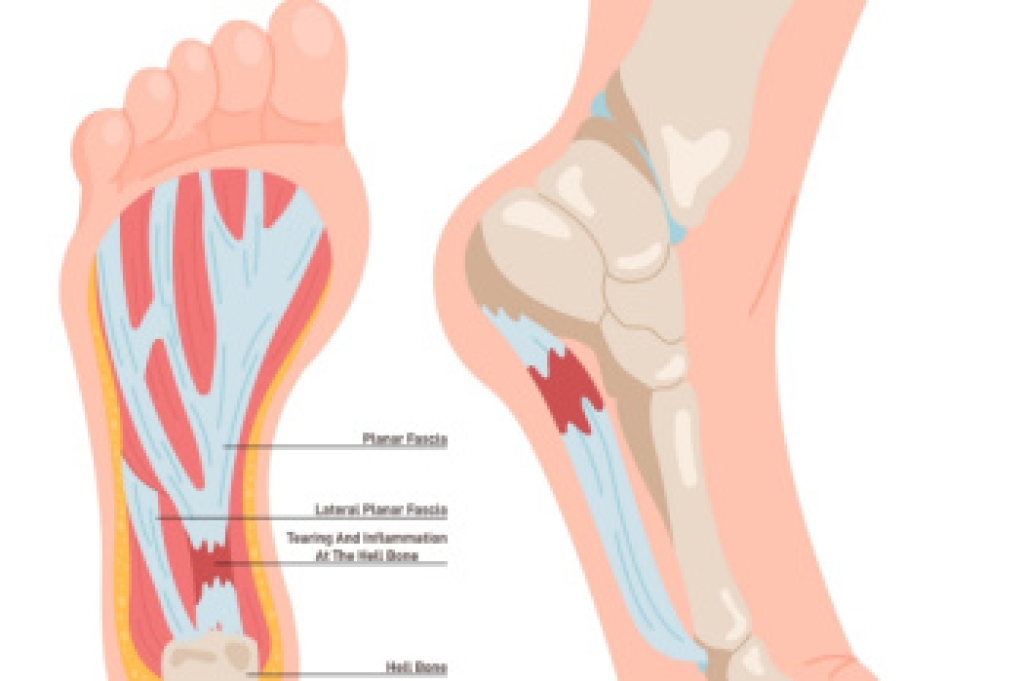
Plantar fasciitis involves inflammation of the thick band of tissue that supports the arch of the foot. It often develops when improper footwear fails to provide adequate support or cushioning, placing excessive strain on the heel and arch. Symptoms include sharp heel pain, stiffness, and discomfort that is often worse in the morning or after periods of rest. Risk factors include prolonged standing, high-impact activities, flat feet, high arches, and wearing unsupportive shoes. A podiatrist can diagnose the condition, recommend proper footwear, prescribe custom orthotics, and develop a treatment plan to reduce pain and improve function. Plantar fasciitis can be painful, and may cause difficulty in completing daily activities. If you have consistent heel pain, it is suggested that you consult a podiatrist who can accurately diagnose the problem.

Plantar fasciitis can be very painful and inconvenient. If you are experiencing heel pain or symptoms of plantar fasciitis, contact one of our podiatrists  from Save Your Soles. our doctors can provide the care you need to keep you pain-free and on your feet.

What Is Plantar Fasciitis?

Plantar fasciitis is the inflammation of the thick band of tissue that runs along the bottom of your foot, known as the plantar fascia, and causes mild to severe heel pain.

What Causes Plantar Fasciitis?

  • Excessive running
  • Non-supportive shoes
  • Overpronation
  • Repeated stretching and tearing of the plantar fascia

How Can It Be Treated?

  • Conservative measures – anti-inflammatories, ice packs, stretching exercises, physical therapy, orthotic devices
  • Shockwave therapy – sound waves are sent to the affected area to facilitate healing and are usually used for chronic cases of plantar fasciitis
  • Surgery – usually only used as a last resort when all else fails. The plantar fascia can be surgically detached from the heel

While very treatable, plantar fasciitis is definitely not something that should be ignored. Especially in severe cases, speaking to your doctor right away is highly recommended to avoid complications and severe heel pain. Your podiatrist can work with you to provide the appropriate treatment options tailored to your condition.

If you have any questions, please feel free to contact our offices located in Abington and Willow Grove, PA . We offer the newest diagnostic and treatment technologies for all your foot care needs.

Read more about Plantar Fasciitis

Do Your Child's Feet Hurt?

Have your child's feet been examined lately? Healthy feet are happy feet. If your child is complaining of foot pain, it may be a sign of underlying problems.

Tarsal Tunnel Syndrome and Nerve Pain in the Foot

Tarsal tunnel syndrome is a condition caused by compression of the tibial nerve as it passes through the tarsal tunnel near the inside of the ankle. This can lead to pain, tingling, burning sensations, or numbness that may travel into the heel, arch, or toes. Symptoms often worsen with standing, walking, or activity. Causes include injury, swelling, flat feet, or repetitive stress on the ankle. Risk factors include certain foot structures, arthritis, and conditions that cause inflammation. This condition can significantly affect walking comfort and daily mobility. A podiatrist can diagnose the issue, identify the source of nerve pressure, and recommend orthotics or other interventions. If you have persistent foot or ankle nerve pain, it is suggested that you consult a podiatrist who can guide you toward effective relief and treatment solutions.

Tarsal tunnel syndrome can be very uncomfortable to live with. If you are experiencing tarsal tunnel syndrome, contact one of our podiatrists of Save Your Soles. our doctors can provide the care you need to keep you pain-free and on your feet.

Tarsal Tunnel Syndrome

Tarsal tunnel syndrome, which can also be called tibial nerve dysfunction, is an uncommon condition of misfiring peripheral nerves in the foot. The tibial nerve is the peripheral nerve in the leg responsible for sensation and movement of the foot and calf muscles. In tarsal tunnel syndrome, the tibial nerve is damaged, causing problems with movement and feeling in the foot of the affected leg.

Common Cause of Tarsal Tunnel Syndrome

  • Involves pressure or an injury, direct pressure on the tibial nerve for an extended period of time, sometimes caused by other body structures close by or near the knee.
  • Diseases that damage nerves, including diabetes, may cause tarsal tunnel syndrome.
  • At times, tarsal tunnel syndrome can appear without an obvious cause in some cases.

The Effects of Tarsal Tunnel Syndrome

  • Different sensations, an afflicted person may experience pain, tingling, burning or other unusual sensations in the foot of the affected leg.
  • The foot muscles, toes and ankle become weaker, and curling your toes or flexing your foot can become difficult.
  • If condition worsens, infections and ulcers may develop on the foot that is experiencing the syndrome.

A physical exam of the leg can help identify the presence of tarsal tunnel syndrome. Medical tests, such as a nerve biopsy, are also used to diagnose the condition. Patients may receive physical therapy and prescriptive medication. In extreme cases, some may require surgery.

If you have any questions please contact our offices located in Abington and Willow Grove, PA . We offer the newest diagnostic and treatment technologies for all your foot and ankle needs.

Read more about Tarsal Tunnel Syndrome

Foot Pain and Hiking Comfort

Foot pain can significantly affect hikers by limiting endurance and enjoyment on the trail. Plantar fasciitis is inflammation of the tissue along the bottom of the foot that causes heel pain. Toenail problems, such as thickening or ingrown nails, can create pressure and discomfort. Blisters are fluid-filled lesions caused by friction and moisture that can become painful if not treated. Prevention includes wearing properly fitting shoes and moisture-wicking socks, as well as stretching the feet before starting activity to improve flexibility. Keeping feet clean and dry also reduces risk. A podiatrist can diagnose foot conditions, provide treatment, and recommend supportive footwear. If you have developed foot pain from hiking, it is suggested that you consult a podiatrist who can offer effective treatment and prevention tips.

Foot Pain

Foot pain can be extremely painful and debilitating. If you have a foot pain, consult with one of our podiatrists from Save Your Soles. our doctors will assess your condition and provide you with quality foot and ankle treatment.

Causes

Foot pain is a very broad condition that could be caused by one or more ailments. The most common include:

  • Bunions
  • Hammertoes
  • Plantar Fasciitis
  • Bone Spurs
  • Corns
  • Tarsal Tunnel Syndrome
  • Ingrown Toenails
  • Arthritis (such as Gout, Rheumatoid, and Osteoarthritis)
  • Flat Feet
  • Injury (from stress fractures, broken toe, foot, ankle, Achilles tendon ruptures, and sprains)
  • And more

Diagnosis

To figure out the cause of foot pain, podiatrists utilize several different methods. This can range from simple visual inspections and sensation tests to X-rays and MRI scans. Prior medical history, family medical history, and any recent physical traumatic events will all be taken into consideration for a proper diagnosis.

Treatment

Treatment depends upon the cause of the foot pain. Whether it is resting, staying off the foot, or having surgery; podiatrists have a number of treatment options available for foot pain.

If you have any questions, please feel free to contact our offices located in Abington and Willow Grove, PA . We offer the newest diagnostic and treatment technologies for all your foot care needs.

Read more about Foot Pain

Connect With Us

Advanced Podiatric Procedures & Services in the Montgomery County, PA: Abington, Willow Grove, Jenkintown, Cheltenham, Ambler, Horsham, Rockledge, Glenside, Bryn Athyn, Huntingdon Valley, Hatboro, Lansdale, Philadelphia County, PA: Philadelphia (northeastern neighborhoods near Abington), Bucks County, PA: Warminster, Bensalem, Levittown, Langhorne, Southampton areas