
Understanding Diabetic Neuropathy

Diabetic neuropathy occurs when high blood sugar damages nerves. It most often affects the feet and legs first because those nerves are among the longest in the body. Symptoms include numbness, tingling, or sensitivity to touch. Some patients lose the ability to feel heat, cold, or pressure. Nerve damage can also weaken foot muscles and change the way a person walks. Symptoms usually develop slowly, so early changes can be easy to miss. Poor circulation can make the problem more serious because tissues receive less oxygen and heal less effectively.

Loss of feeling raises the risk of injuries that go unnoticed. A blister, cut, or burn may worsen before a patient realizes it is present. An untreated wound can develop into a foot ulcer or infection. Severe infections can spread to bone and place a patient at risk for limb loss. Damage to nerves that control sweating can also leave the skin dry and cracked. In addition, muscle weakness can contribute to bunions, hammertoes, or changes in the foot's shape. These changes create areas of extra pressure inside shoes, which can lead to skin damage.

A podiatrist can check sensation, circulation, and muscle strength in the feet. The examination also includes the skin and foot structure. A specialized tool may be used to test whether a patient feels light pressure. The podiatrist can identify wounds, pressure points, or changes in shape before they become more difficult to manage. Treatment includes podiatric wound care, removal of unhealthy tissue, and guidance on properly fitting shoes. Custom orthotics can redistribute pressure and protect vulnerable areas. Regular visits to a podiatrist are especially important for patients who have lost protective sensation or have a history of foot ulcers. Early diagnosis and treatment can reduce complications and help preserve comfortable movement. If you have symptoms of diabetic neuropathy, it is suggested that you schedule an appointment with a podiatrist for a diagnosis and appropriate treatment.

Neuropathy

Neuropathy can be a potentially serious condition, especially if it is left undiagnosed. If you have any concerns that you may be experiencing nerve loss in your feet, consult with one of our podiatrists from Save Your Soles. our doctors will assess your condition and provide you with quality foot and ankle treatment for neuropathy.

What Is Neuropathy?

Neuropathy is a condition that leads to damage to the nerves in the body. Peripheral neuropathy, or neuropathy that affects your peripheral nervous system, usually occurs in the feet. Neuropathy can be triggered by a number of different causes. Such causes include diabetes, infections, cancers, disorders, and toxic substances.

Symptoms of Neuropathy Include:

  • Numbness
  • Sensation loss
  • Prickling and tingling sensations
  • Throbbing, freezing, burning pains
  • Muscle weakness

Those with diabetes are at serious risk due to being unable to feel an ulcer on their feet. Diabetics usually also suffer from poor blood circulation. This can lead to the wound not healing, infections occurring, and the limb may have to be amputated.

Treatment

To treat neuropathy in the foot, podiatrists will first diagnose the cause of the neuropathy. Figuring out the underlying cause of the neuropathy will allow the podiatrist to prescribe the best treatment, whether it be caused by diabetes, toxic substance exposure, infection, etc. If the nerve has not died, then it’s possible that sensation may be able to return to the foot.

Pain medication may be issued for pain. Electrical nerve stimulation can be used to stimulate nerves. If the neuropathy is caused from pressure on the nerves, then surgery may be necessary.

If you have any questions, please feel free to contact our offices located in Abington and Willow Grove, PA . We offer the newest diagnostic and treatment technologies for all your foot care needs.
Read more about Neuropathy

Signs of a Broken Toe and When to See a Podiatrist

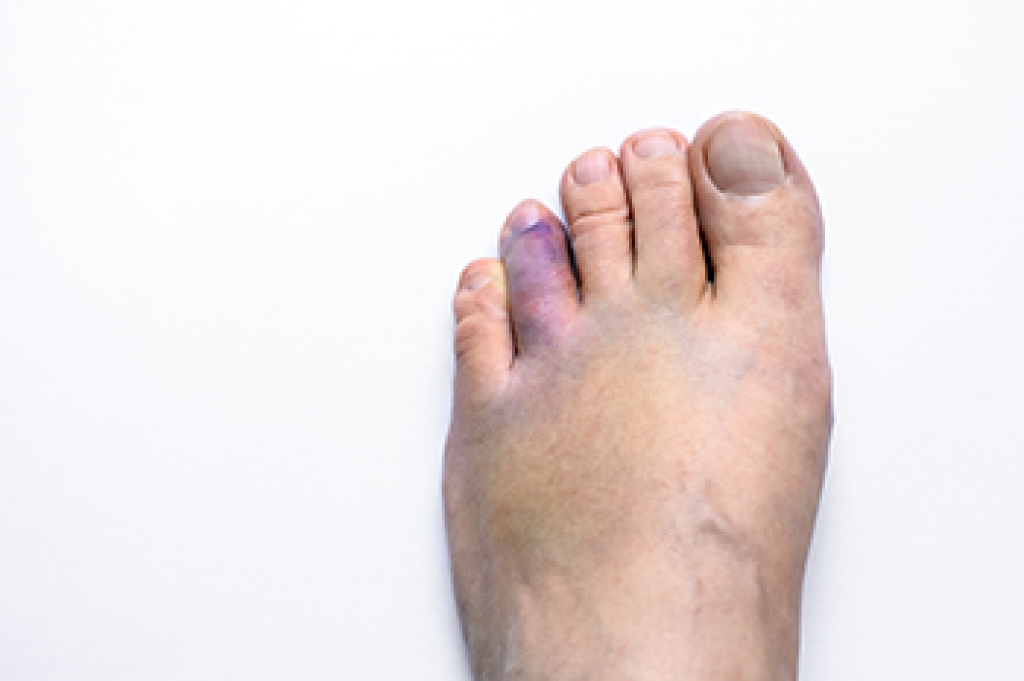
A broken toe can cause significant pain and make standing or walking difficult. Toe fractures usually result from direct trauma, such as  kicking a hard object or dropping something heavy on the foot. Bruising and swelling can develop soon after the injury. Pain can become worse when pressure is placed on the affected toe. Although many broken toes do not require surgery, proper evaluation is important. The location of the fracture and the position of the broken bone can affect treatment and recovery.

Most toe fractures heal within six to eight weeks, although recovery varies between patients. A broken big toe can require additional support because it plays an important role in balance and walking. Some fractures are treated with buddy strapping, which means securing the injured toe to the neighboring toe for support. Sturdy shoes with a stiff sole and wide toe box can also protect the injured area. Persistent pain, numbness, or changes in circulation can signal a problem that requires prompt evaluation.

A podiatrist can examine an injured toe and determine whether a fracture has occurred. X-rays can show the location and severity of the break and help guide treatment. A podiatrist can provide appropriate support for the toe and recommend protective shoes or a special walking boot for certain fractures. Treatment also focuses on maintaining proper alignment while the bone heals. A podiatrist can also monitor healing and determine when it is safe to return to work, sports, or other demanding activities. Continued pain or difficulty walking after the expected healing period should be evaluated. If you have broken your toe, a it is suggested that you schedule an appointment with a podiatrist for effective relief and treatment solutions.

Broken toes may cause a lot of pain and should be treated as soon as possible. If you have any concerns about your feet, contact one of our podiatrists from Save Your Soles. our doctors will treat your foot and ankle needs.

What Is a Broken Toe?

A broken toe occurs when one or more of the toe bones of the foot are broken after an injury. Injuries such as stubbing your toe or dropping a heavy object on it may cause a toe fracture.

Symptoms of a Broken Toe

  • Swelling
  • Pain (with/without wearing shoes)
  • Stiffness
  • Nail Injury

Although the injured toe should be monitored daily, it is especially important to have a podiatrist look at your toe if you have severe symptoms. Some of these symptoms include worsening or new pain that is not relieved with medication, sores, redness, or open wounds near the toe.

If you have any questions please feel free to contact our offices located in Abington and Willow Grove, PA . We offer the newest diagnostic tools and technology to treat your foot and ankle needs.

Read more about What to Know About a Broken Toe

Ankle Sprains Explained

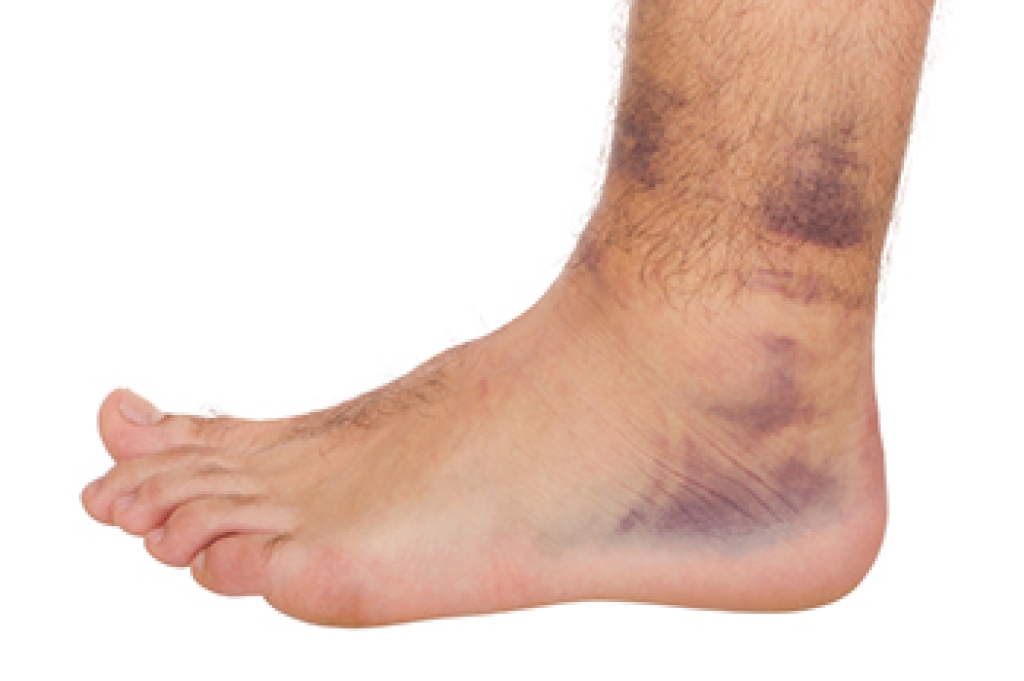
An ankle sprain occurs when the ligaments that support the ankle are stretched or torn. This commonly happens when the foot rolls outward or inward, causing the ankle to twist beyond its normal range. Ankle sprains can happen during exercise, walking on uneven ground, or stepping awkwardly. Symptoms include pain, swelling, and difficulty putting weight on the foot. Some people also notice weakness or a feeling that the ankle may give way.

Several factors can increase the risk of an ankle sprain. Previous ankle injuries can make the joint less stable, while poor balance can make an awkward step more likely. Uneven surfaces, wearing improper footwear, and quick direction changes can also contribute. A podiatrist can evaluate the ankle and determine the severity of the injury. Treatment may include rest, compression, and recommendations for activity changes.


Ankle sprains are commonly classified into three grades. A grade 1 sprain involves mild stretching or microscopic ligament damage and usually causes limited swelling and tenderness. Healing may take about one to two weeks. A grade 2 sprain involves a partial ligament tear and can cause swelling, bruising, and difficulty walking. Recovery may take several weeks. A grade 3 sprain involves a complete ligament tear and may cause significant pain, instability, and difficulty bearing weight. Healing can take several weeks to months, depending on the injury and treatment.


A podiatrist may use a physical examination and imaging tests to check for a fracture or other problem. The treatment plan may include a brace or walking boot for protection, followed by a gradual return to activity as the ankle heals. Proper support can help reduce reinjury risk. If you have sprained your ankle, it is suggested that you consult a podiatrist for effective relief and treatment solutions.

Ankle sprains are common but need immediate attention. If you need your feet checked, contact one of our podiatrists from Save Your Soles. our doctors can provide the care you need to keep you pain-free and on your feet.

How Does an Ankle Sprain Occur?

Ankle sprains take place when the ligaments in your ankle are torn or stretched beyond their limits. There are multiple ways that the ankle can become injured, including twisting or rolling over onto your ankle, putting undue stress on it, or causing trauma to the ankle itself.

What Are the Symptoms?

  • Mild to moderate bruising
  • Limited mobility
  • Swelling
  • Discoloration of the skin (depending on severity)

Preventing a Sprain

  • Wearing appropriate shoes for the occasion
  • Stretching before exercises and sports
  • Knowing your limits

Treatment of a Sprain

Treatment of a sprain depends on the severity.  Many times, people are told to rest and remain off their feet completely, while others are given an air cast. If the sprain is very severe, surgery may be required.

If you have suffered an ankle sprain previously, you may want to consider additional support such as a brace and regular exercises to strengthen the ankle.

If you have any questions please feel free to contact our offices located in Abington and Willow Grove, PA . We offer the newest diagnostic tools and technology to treat your foot and ankle needs.

Read more about Three Grades of Ankle Sprains

Ankle Fracture? Don’t Wait for Treatment

If you're suffering from an ankle fracture, professional attention shouldn't wait. Fractures may worsen over time and can make completing everyday activities incredibly difficult. See your specialist for treatment and guidance through the healing process. 

Why the Bottom of Your Foot Hurts While Running

Pain on the bottom of the foot while running is often linked to overuse injuries, such as plantar fasciitis. This happens when repetitive strain causes inflammation of the tissue supporting the arch. Wearing footwear that lacks adequate support or cushioning can increase stress. Biomechanical issues like flat feet or high arches may alter weight distribution. Repeated impact on hard surfaces, sudden increases in mileage, and improper training habits can further contribute to discomfort. In some cases, persistent pain may indicate stress fractures, especially in runners who push through symptoms. Risk factors include tight muscles, inadequate recovery, and worn shoes. A podiatrist can evaluate your gait, diagnose the cause, and create a personalized treatment plan. If you have persistent foot pain during or after running, it is suggested that you consult a podiatrist to explore appropriate relief and treatment solutions.

Foot Pain

Foot pain can be extremely painful and debilitating. If you have a foot pain, consult with one of our podiatrists from Save Your Soles. our doctors will assess your condition and provide you with quality foot and ankle treatment.

Causes

Foot pain is a very broad condition that could be caused by one or more ailments. The most common include:

  • Bunions
  • Hammertoes
  • Plantar Fasciitis
  • Bone Spurs
  • Corns
  • Tarsal Tunnel Syndrome
  • Ingrown Toenails
  • Arthritis (such as Gout, Rheumatoid, and Osteoarthritis)
  • Flat Feet
  • Injury (from stress fractures, broken toe, foot, ankle, Achilles tendon ruptures, and sprains)
  • And more

Diagnosis

To figure out the cause of foot pain, podiatrists utilize several different methods. This can range from simple visual inspections and sensation tests to X-rays and MRI scans. Prior medical history, family medical history, and any recent physical traumatic events will all be taken into consideration for a proper diagnosis.

Treatment

Treatment depends upon the cause of the foot pain. Whether it is resting, staying off the foot, or having surgery; podiatrists have a number of treatment options available for foot pain.

If you have any questions, please feel free to contact our offices located in Abington and Willow Grove, PA . We offer the newest diagnostic and treatment technologies for all your foot care needs.

Read more about Foot Pain

Connect With Us

Advanced Podiatric Procedures & Services in the Montgomery County, PA: Abington, Willow Grove, Jenkintown, Cheltenham, Ambler, Horsham, Rockledge, Glenside, Bryn Athyn, Huntingdon Valley, Hatboro, Lansdale, Philadelphia County, PA: Philadelphia (northeastern neighborhoods near Abington), Bucks County, PA: Warminster, Bensalem, Levittown, Langhorne, Southampton areas